
 By Elena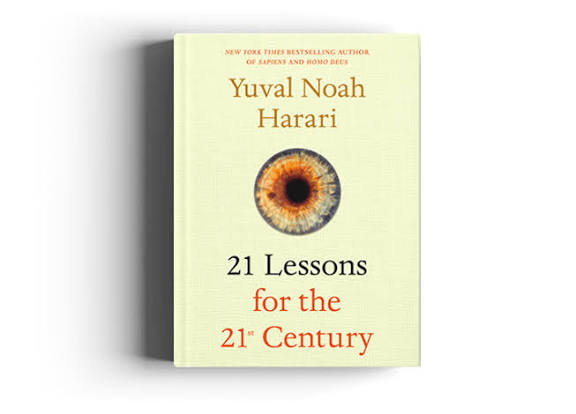
Why these 21 lessons matter right now
This century moves fast and knocks over old certainties like dominoes. Harari framed 21 urgent questions about technology, politics, truth, and meaning so readers can stop panicking and start preparing. The book is structured into 21 chapters across clear thematic parts, which makes each lesson bite-sized but heavyweight in implication.
1. Learn to unlearn quickly
Old skills decay faster than you think; the real edge is updating your mental software. Treat learning like maintenance — small, constant, intentional. Practice discarding what doesn’t work instead of hoarding credentials.
2. Prioritize self-knowledge
If you don’t understand your emotions and biases, algorithms will. Self-awareness protects you from manipulation and helps you choose what to focus on. Build short daily check-ins: note one feeling and one bias.
3. Read the information landscape, not just the headlines
Now, information overload is the problem; meaningful curation is the solution. Learn to spot sources, motives, and gaps in reporting. In other words: filter early, then judge.
4. Treat data about you as capital
Data decides jobs, loans, and ads; who owns it shapes power. Start treating your digital footprint like a financial asset worth protecting. Minimize unnecessary sharing, and learn simple privacy settings.
5. Prepare for work that machines can’t own (yet)
Routine tasks vanish; creative and social skills gain premium value. But that doesn’t mean you should chase “creativity” as a buzzword get practical: improve communication, systems thinking, and project ownership. Focus on what machines can’t fully copy yet.
6. Build resilience, not just productivity
Productivity tools are great until a big shock hits. Harari stresses mental and institutional resilience over short gains. Practice small disruptions to your routine so you adapt faster when real crises arrive.
7. Reboot your education expectations
Schools designed for the 20th century produce fragile specialists for a shifting world. Lifelong learning, emotional literacy, and adaptability matter more than memorized facts. Advocate for continuous micro-learning short, relevant, repeatable.
8. Question the stories you live by
Nations, religions, and corporations are stories that organize cooperation; some lift, some trap. When a story stops serving people, it’s time to rewrite it. Practice asking: “Who benefits from this story?” and “What would a kinder story say?”
9. Be sceptical about simplistic truth claims
In a world of deepfakes and targeted narratives, nuance is your friend. Harari warns that simple truths can be weaponized; complexity tends to be closer to reality. Slow down before you amplify a claim.
10. Learn digital hygiene like personal hygiene
Passwords, updates, backups — small habits avoid big regrets. Think of your digital life as a home: lock the doors, check the plumbing, and clear the clutter. Make two-step authentication non-negotiable.
11. Guard civic institutions proactively
Democracy, courts, and free press are not self-maintaining; they require citizens’ attention. Harari asks readers to notice subtle erosions of checks and balances. Vote, read then hold institutions to account.
- 12. Resist techno-utopian fatalism
Technology is powerful but not destiny; policies and choices shape outcomes. Harari’s point: we can steer tech toward public benefit if we insist on ethics and regulations. Demand accountability from the firms and governments shaping infrastructure.
13. Practice clear thinking under uncertainty
We rarely know probabilities accurately, yet decisions keep coming. Use simple frameworks: list assumptions, consider consequences, and update when evidence arrives. Mental models beat gut panic.
14. Emphasize human connection as a competitive advantage
Automation can mimic tasks but not genuine care, empathy, or trust. Businesses and people who invest in real relationships will outlast algorithmic shortcuts. Make time for listening: it pays back.
15. Learn basic civics of algorithms and AI
You don’t need to code, but you should know how models can shape choices and bias outcomes. Demand transparency and fair evaluation when AI affects jobs, loans, or justice. An informed public is a regulation starter.
16. Be realistic about nationalism and global problems
Global challenges like climate and pandemics need cross-border solutions, yet politics often pulls inward. Harari highlights the tension between local loyalties and planetary needs. Support pragmatic cooperation where you can.
17. Don’t outsource meaning to consumption or screens
When meaning is outsourced to likes or shopping, emptiness follows. Build routines that create meaning: mentorship, craft, and small acts of service. These are low-tech but durable.
18. Learn to live with ambiguous narratives
The world rarely offers tidy heroes and villains; most situations hold mixed motives. Practice resisting binary labels and look for overlapping truths. This habit reduces tribalism and strengthens decision quality.
19. Build tiny systems to survive big changes
Personal emergency plans, upskilling buffers, and social networks are small systems that protect against big shocks. Harari argues resilience is often granular, not grand. Start with a 30-day learning buffer and a two-person support list.
20. Treat ethics as a daily habit, not a manifesto
Ethical choices stack: small consistent decisions shape culture more than one big speech. Ask “Is this fair?” before big and small choices alike. Over time, micro-ethics become macro-trust.
21. Keep curiosity, not cynicism, as default
Cynicism is cheap and contagious; curiosity costs effort but opens options. Harari invites readers to remain open to surprise while demanding rigor. Remain curious about causes, effects, and alternatives.
Quick action list 7 steps to start today
Pick three lessons above to practice this week. First, audit your privacy settings for ten minutes. Second, read one long article outside your bubble. Third, schedule a 20-minute reflection to spot one bias. Small moves compound.
How to use these lessons without getting overwhelmed
Take one lesson at a time and ask: “What’s one habit that makes this easier?” Keep the habit small and repeatable. Harari’s core offer is clarity under confusion use these lessons as a map, not a to-do list. Recent discussions around Harari’s ideas show his continued focus on information, AI, and institutions; treat his warnings as prompts to act, not to freeze.
A practical pledge you can make now
Promise yourself one small shift: five minutes of reflective reading a day, and one privacy tweak this week. These tiny commitments protect your future options and sharpen your judgment. If you stick to them for a month, you’ll feel sturdier in a world that keeps changing.