
 By Elena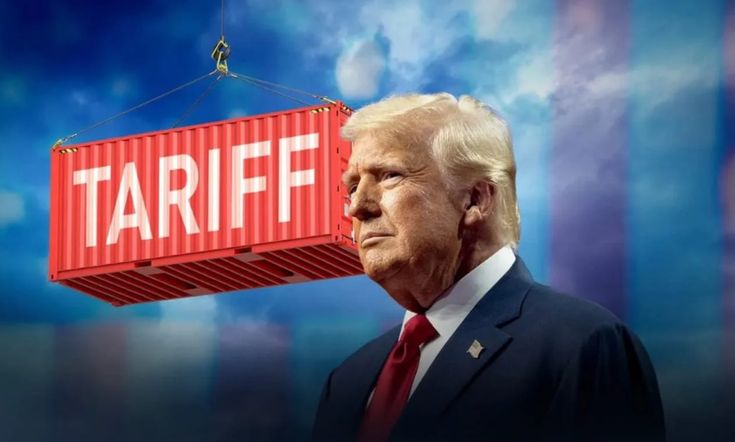
Trump Slaps 30% Tariffs on EU and Mexico
Starting August 1, 2025, Trump announced new 30% tariffs on imports from Mexico and the EU. He cited migration, drug trafficking, and massive trade deficits to justify it. The move shocks key trading partners and stokes fears of retaliation.
Copper and Brazil Hit with 50% Duties
Simultaneously, copper and Brazilian goods are facing steep 50% tariffs. These are being rolled out under Section 232 justifications. Shades of geopolitics and trade strategy mix in this harsh package.
Multi‑Country Tariffs Roll Out in August
Letters sent to over 20 countries warn of tariffs between 24–49%, depending on trade status. Countries without deals—like Japan and Cambodia—face top rates unless deals close fast. Businesses brace for higher costs.
Markets Shrug but Fear Stakes Are High
Surprisingly, equity markets stayed steady post-announcement. But economists warn macro risks: inflation, recession threats, slowed capital flows. Investors eye tariffs like storm clouds on the horizon.
Trade Trackers Show Tariff Maze
The Trade Compliance Resource Hub details dozens of country‑specific rates and delays. Many threats delayed until August 1, but most are locked in. Complexity is skyrocketing across supply chains.
Court Fight Over Executive Tariff Power
The US Court of International Trade struck down the so‑called “Liberation Day” tariffs in May, citing limits under IEEPA. The ruling says Trump overstepped legal bounds. Those duties remain blocked.
Yale Shows Massive Economic Drag
Yale research shows short‑run GDP drag of –0.8pp, long‑term –0.4%, and nearly 578,000 job losses. Long-term sector shifts favor manufacturing slightly, but agriculture and construction suffer.
Impact on Canadian Trade and Consumers
Canadian exports drop hard, and long-term GDP may shrink by 2.1%. U.S. households still take a hit—average $2,500 lost in purchasing power. This is becoming painful across income brackets.
Policy Mess‑Ups and Deadline Drama
Trump has delayed tariffs repeatedly—some insiders insist no more extensions beyond August 1. But the back‑and‑forth fuels global confusion and uncertainty. Businesses face planning challenges.
Inflation Bites Ordinary Americans
Expect price hikes: shoes up almost 39%, clothes 37%, auto prices 13% short‑run, settling at 10% long‑run. Households across income brackets feel the burn with rising daily expenses.
Tariffs Deliver Lopsided Income Pain
The poorest decile loses proportionally more—3.5% of income—compared to top earners losing about 1%. Tariffs act as regressive taxes, hitting low-income families harder.
Who Might Gain? U.S. Manufacturing Wins Bit Parts
Domestic manufacturing sees modest growth: durable goods up 3.8%, non‑durables up 1.0%. But advanced manufacturing dips by 2.8%, and crop and building sectors weaken notably.
What Lies Ahead for U.S. Trade Policy
Tariffs remain a central tool for Trump’s second term. He’s sending letters, warning big moves across medicine, copper, autos, semiconductors. Negotiations loom large in upcoming months.
Final Thoughts: Tariffs Aren’t Just About Politics
At the end of the day, Trump tariffs highlight how interconnected our world is. Whether buying a phone or running a business, trade policies shape everyday life. Understanding them isn’t just for economists its matters to all of us.