
 By Elena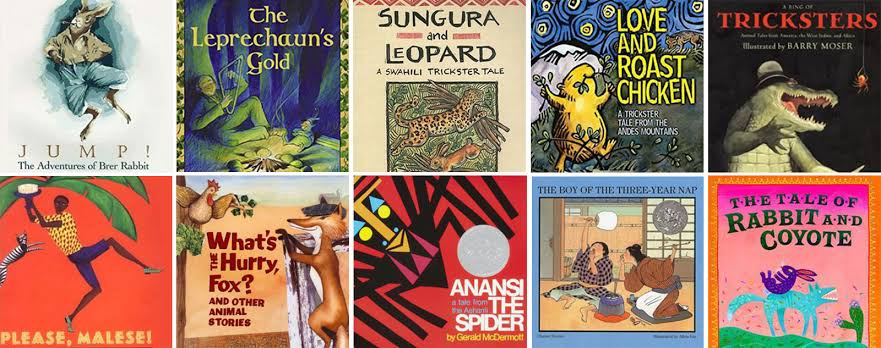
What Are Folktales and Why Do They Still Matter?
Folktales are stories passed down from generation to generation, usually through word of mouth. These tales hold a mirror to the values, fears, and dreams of cultures around the world.
Even in today’s digital world, these ancient stories still have a strange power. They entertain, educate, and often sneak in powerful life lessons without sounding preachy.
The Origins of Folktales Across Cultures
Every region has its unique set of folktales. Some reflect harsh realities, while others offer comic relief.
From African jungles to Nordic mountains, Asian temples to European villages, these tales have travelled far and wide. And yet, they often carry similar themes like good vs evil, trickery, and transformation.
Little Red Riding Hood: Not So Innocent After All
We’ve all heard of the little girl with the red hood visiting her grandma. But the original versions are way darker.
In early tellings, the wolf doesn’t just eat Grandma. He uses trickery, disguises himself, and sometimes even devours Red too. It was never just a bedtime it was a warning about strangers, survival, and instincts.
The Legend of Anansi the Spider: Africa’s Clever Trickster
Anansi is one of the most iconic characters in African folklore. Half-man, half-spider, he’s a master of trickery and wit.
These tales often show Anansi outsmarting stronger animals like tigers or lions. But there’s always a twist his tricks sometimes backfire, teaching lessons about pride and cleverness in balance.
Baba Yaga: Russia’s Scariest Yet Wise Witch
Living in a hut that stands on chicken legs, Baba Yaga is both feared and revered in Slavic folklore.
She eats children, flies in a mortar, and controls the forest. Yet, she also helps the worthy ones. Her tales teach that appearances can be misleading—and that bravery is often rewarded unexpectedly.
Panchatantra Tales: Ancient India’s Animal Wisdom
These stories date back over 2,000 years and are packed with animal characters like monkeys, lions, and crows.
Every tale ends with a moral whether it’s about greed, loyalty, or patience. Used by Indian kings to teach wisdom to young princes, they still hold major educational value for kids worldwide.
Paul Bunyan and Babe the Blue Ox: America’s Giant Legend
Paul Bunyan is a symbol of frontier strength and humor. With his giant blue ox Babe, he reshaped the American landscape.
These tall tales reflect the American spirit of exploration and exaggeration. Whether it’s carving out rivers or making mountains, Bunyan’s feats were larger than life just like the American dream.
The Brothers Grimm and Their Dark Legacy
Before they became children’s classics, Grimm stories were packed with violence and fear.
Cinderella’s stepsisters cut off their toes. Snow White’s stepmother danced in hot iron shoes. These tales weren’t about magic they were warnings cloaked in fantasy.
The Wise Fools of Nasreddin Hodja
This Turkish icon is the king of contradictions. His stories make you laugh and then make you think twice.
One time he’s riding his donkey backward, the next he’s serving soup made from the smell of meat. His wisdom is wrapped in absurdity, which makes his tales unforgettable and oddly profound.
The Japanese Tale of Momotaro: The Peach Boy
Momotaro was born from a peach and raised by an old couple. He grows up brave and kind, eventually setting off to defeat demons.
His story is still told in schools across Japan. It’s not just about heroism it’s about gratitude, loyalty, and standing up for others.
The Trickster Coyote: Native American Spirit Animal
In Native American folklore, the Coyote is part hero, part clown. He messes things up, but somehow restores balance.
These stories are deeply spiritual, yet wildly entertaining. They’re about respecting nature, listening to elders, and understanding one’s place in the world.
Vasilisa the Beautiful: A Russian Cinderella with a Dark Edge
Vasilisa’s tale includes a magic doll, a deadly forest, and you guessed it Baba Yaga.
But unlike the sweet Cinderella, Vasilisa doesn’t rely on a prince. She escapes danger with intelligence and bravery. It’s a refreshing twist on the damsel-in-distress story.
Sindbad the Sailor: Middle Eastern Adventure and Danger
From the Arabian Nights comes Sindbad, a sailor whose voyages are both thrilling and terrifying.
He faces sea monsters, giant birds, and magical islands. These tales mix fantasy with lessons about courage, greed, and survival in a world full of surprises.
The Ugly Duckling: A Tale of Transformation
This Danish folktale by Hans Christian Andersen is more than just a children’s story.
It’s about identity, growth, and self-worth. The duckling doesn’t change for the world it grows into what it was always meant to be. A timeless reminder that beauty and value often take time to shine.
Bluebeard: When Fairy Tales Turn into Horror
This French folktale is closer to a crime thriller than a bedtime story.
Bluebeard warns his new wife never to open a certain door. She does—and finds the corpses of his previous wives. It’s a chilling tale about curiosity, control, and escape.
Timeless Lessons Folktales Still Teach Today
Though ancient, these stories speak directly to modern hearts.
They explore human fears abandonment, injustice, greed. But they also offer hope, cleverness, and the strength of character. That’s why they’re still taught, retold, and cherished today.
How Folktales Influence Today’s Pop Culture
Ever noticed how Disney movies borrow from these old stories?
Whether it’s Rapunzel’s tower, Mulan’s courage, or Shrek’s fairy tale chaos folktales continue to feed our modern imagination. They’ve just been rebranded to fit the current world.
Why Kids and Adults Both Need Folktales
For kids, folktales offer imagination, wonder, and values in an easy-to-digest form.
For adults, they hold nostalgia, deeper meanings, and sometimes unexpected comfort. They remind us that life’s toughest lessons can still be delivered through storytelling.
Folktales vs Fairy Tales: Are They the Same?
Not really. Folktales are often raw, oral, and people-driven.
Fairy tales, though related, are usually more polished and involve magic or fantasy. Think of folktales as the older sibling grittier, wiser, and closer to the roots.
Keeping Folktales Alive in a Digital World
Today, folktales live on through books, podcasts, films, and social media reels.
Retelling these stories helps preserve cultures, bridge generations, and ignite creativity. So the next time you hear a tale from an elder, don’t just smile remember it, retell it, pass it on.
The Magic Behind Every Folktale
Famous folktales aren’t just stories. They’re the DNA of culture, emotion, and shared human history.
Whether it’s a spider outwitting a tiger or a girl facing down a witch, these tales echo something universal. In a world full of noise, they still whisper truths we often forget.
So next time you read one pause, reflect, and share it. You’re not just telling a story. You’re keeping a legacy alive.