
 By Elena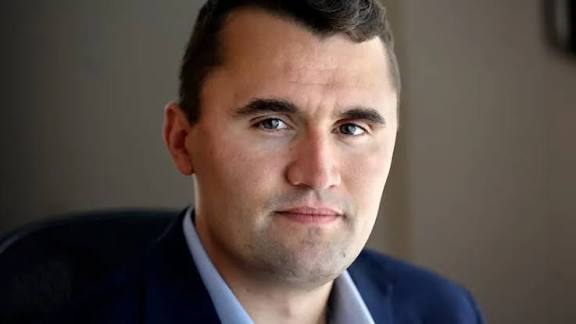
Who is Charlie Kirk?
Charlie Kirk was a polarizing American conservative activist who burst into the national scene as a kid with big energy and bigger opinions. Born in the Chicago suburbs in October 1993, he built Turning Point USA into a youth-focused conservative brand that changed how young people were recruited into politics. He became famous (and infamous) for viral speeches, sharp media appearances, and a knack for turning culture-war moments into attention.
Turning Point USA: what he built and why it mattered
Turning Point USA started small but scaled into a nationwide campus network, training activists and hosting loud, theatrical events meant to challenge mainstream campus culture. For many conservatives it was a recruitment engine that modernized messaging; for critics it was a culture-war factory that amplified confrontational tactics. Either way, TPUSA showed how organized, media-savvy activism could move young audiences and funding streams quickly.
The style that made him viral (and controversial)
Kirk’s playbook was simple: punchy soundbites, theatrical staging, and social-media-first moments. He mixed meme-ready lines with fundraising savvy, turning outrage into subscriptions and event ticket sales. That style won him fans who wanted a no-apologies conservative voice, but it also made him a lightning rod for critics who accused him of inflaming division.
From speeches to book deals the media ecosystem
Kirk wasn’t just a campus organizer; he authored books, hosted shows, and became a recurring guest on conservative media. Authors and influencers in his orbit packaged ideas into merch, subscription newsletters, and paid appearances a modern creator-economy approach applied to politics. The result: a personal brand that was both political movement and multimedia company.
The tragic turning point the shooting at Utah Valley University
On September 10, 2025, Charlie Kirk was shot during a public appearance at Utah Valley University, an event that stunned students, activists, and the national media alike. The incident was captured on social platforms and immediately fueled intense debate about political rhetoric, campus security, and the safety of public figures speaking to young audiences. Authorities launched investigations and the event sparked nationwide mourning and outrage.
Immediate fallout: grief, politics, and social media backlash
Reaction to Kirk’s death cut across partisan lines from grief and condolences to angry, sometimes cruel social posts that prompted official warnings. Public figures on both sides condemned political violence even as online vitriol spread; in some cases, social-media posts celebrating the shooting triggered calls for accountability. The speed and toxicity of the online reaction highlighted how quickly a single violent event can ignite a second wave of conflict on social platforms.
The weird new frontier AI-generated books and opportunism
Within hours of the shooting, dozens of apparent AI-generated books and opportunistic titles about the event began circulating on major marketplaces, raising alarm about how bad actors and sloppy algorithms can exploit tragedies for clicks or profit. Platforms later moved to remove some of these listings, but the tidal wave of content revealed how fast misinformation and monetized sensationalism can spread. This episode forced conversations about marketplace moderation and AI safeguards.
What his politics actually looked like beyond the headlines
Kirk was a vocal supporter of Trump-era priorities: strong nationalism, skepticism of mainstream media, and aggressive anti-“woke” cultural campaigning. He also groomed a new generation of activists who learned digital organizing, viral content creation, and fundraising tactics that were state-of-the-art for conservative circles. Critics argue this style moved the Overton window by normalizing more combative rhetoric; supporters say it was necessary to counter what they saw as cultural capture.
How he influenced Gen Z political identity
Whether you loved him or loathed him, Charlie Kirk rewired how many young people encountered politics: short-form content, rallies designed for TikTok, and messaging that treated culture as the battleground. His events and social presence pulled a slice of Gen Z into conservative politics by meeting them where they consume media most online and on their phones. That shift will outlast any one personality because it changed recruitment mechanics for political movements.
Security at live events the policy questions raised
The shooting exposed glaring gaps in security at campus and public-podium events, prompting universities and organizers to rethink crowd control, bag checks, and emergency response plans. Event security experts say there’s now a renewed urgency to balance free-speech access with reasonable precautions to protect speakers and audiences alike. Expect new protocols, but also new debates about whether stricter measures chill campus discourse.
The culture-war vacuum who fills the space now?
Political movements rarely leave long vacuums. Analysts predict that in the wake of Kirk’s absence, more extreme voices might attempt to seize the platform he built or institutional players within conservative media may professionalize the operation he started. The big question is whether the next generation of leaders will double down on theatrical provocation or pivot toward steadier institutional organizing.
The ethics of amplifying outrage media’s role
Newsrooms and influencer platforms face an ethical mirror: covering a high-profile death draws attention, but relentless amplification can fuel copycat behavior or political polarization. Journalists must balance truthful reporting with restraint avoiding sensational framing while still explaining the facts and context. The digital feedback loop that rewards clicks has to be checked by editorial judgment more than ever.
Personal stories the human side behind the persona
Beyond the rallies and headlines, people who knew him paint a mixed portrait: a driven organizer who could be generous with time, and a relentless performer whose methods alienated friends and foes. Friends recall early days in Illinois where civic-minded projects and speech contests shaped his approach. Those human anecdotes matter because they remind readers that public figures are complicated people, not caricatures.
Lessons for activists what organizers can learn
Organizers on every side can learn a few blunt lessons: prioritize safety at events, think longer-term than shock campaigns, and build institutions that outlast personalities. Movement durability comes from strong governance, clear financial practices, and training the next generation in ethical persuasion not just viral moments. In short, sustainable impact beats short-term virality. (This is a practical takeaway, not partisan cheerleading.)
What to watch next the short-term horizon
In the coming months, expect investigations to continue, platforms to tweak moderation, and campus groups to reassess security and engagement strategies. Politically, watch who steps into leadership roles at Turning Point adjacent networks, and whether fundraising and donor patterns shift after this shock. Culturally, keep an eye on whether the moment leads to de-escalation or deeper polarization across student movements.
A balanced verdict why the story matters for everyone
Charlie Kirk’s arc from teenage organizer to national lightning rod to the tragic focal point of a violent event is a modern political parable about amplification, consequences, and the brittle nature of attention economies. This story isn’t just about one man; it’s about how movements are built, how media rewards outrage, and how societies respond when politics turns violent. For readers trying to make sense of the moment, the key is to look past the spectacle and ask: how do we protect civic debate while keeping people safe?
A call for cooler heads and smarter organizing
If there’s a constructive takeaway, it’s that energy and urgency in politics need guardrails: safety protocols, ethical media practices, and a commitment from organizers to model the civic behavior they want to see. Movements that survive and do good are those that can convert heat into policy, charisma into structure, and outrage into sustained, principled action. That’s the hard work and it’s what turns headlines into lasting change.