
 By Elena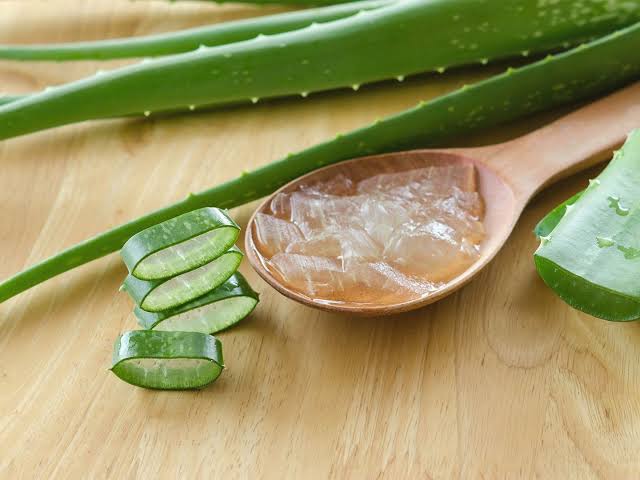
Intro: Why aloe vera is still everyone’s go-to plant
Aloe vera is that sticky green plant your neighbour swears by, and for good reason. It’s been used for centuries across cultures for skin, digestion, and simple home remedies. Even modern science backs some uses but not all claims are equal. Below I’ll break down what really works, what’s sketchy, and how to use aloe safely.
What’s inside an aloe leaf (quick primer)
Inside the leaf you’ll find two main parts: the clear gel and the yellow latex under the rind. The gel is full of water, polysaccharides, vitamins, enzymes and antioxidants. The latex contains anthraquinones like aloin which act as strong laxatives and can be risky when swallowed. So, gel ≠ latex treat them like different medicines.
1) Instant sunburn relief (and why it feels so good)
Aloe gel cools, soothes inflammation, and helps skin retain moisture after a sunburn. Many clinical studies show topical aloe shortens healing time and reduces pain for mild-to-moderate burns. Therefore, applying pure aloe gel (or a trusted product with high aloe content) after cooling the burn can help. However, for severe blistering burns see a doctor first.
2) Faster wound repair not magic, but helpful
Aloe’s polysaccharides, like glucomannan, stimulate fibroblasts and collagen production, so wounds can close quicker. Lab and clinical data support faster healing times when aloe gel is used on certain wounds and ulcers. Still, aloe is an adjunct not a replacement for proper medical wound care. Use it smartly, not blindly.
3) Acne and skin inflammation calming, sometimes useful
Aloe contains anti-inflammatory compounds that soothe red, irritated skin and might help mild acne when combined with other treatments. For sensitive skin, pure gel is less likely to irritate than scented creams. That said, results vary: some people see improvement, others see little change. Always patch-test first.
4) Moisturiser for dry, flaky skin lightweight hydration
Because aloe gel acts like a humectant, it draws moisture into skin without clogging pores. That makes it a favorite for oily or acne-prone types who still need hydration. Use aloe as a base layer under your regular moisturiser for an extra hydration boost. Avoid formulas with alcohol that can dry skin out.
5) Oral health helps with mouth sores and gingivitis
Topical application inside the mouth (e.g., on canker sores) can reduce pain and speed healing. Some toothpaste and mouth gels include aloe to soothe gums and reduce inflammation. Still, maintain your usual dental hygiene and consult a dentist if problems persist.
6) Digestive uses promising but caution required
Aloe juice can soothe the gut lining for some people and may help with conditions like GERD or IBS symptoms. However, the latex’s anthraquinones can cause strong cramping, diarrhea, and electrolyte imbalance if consumed. Therefore, only use decolorized, low-aloin aloe products for drinking, and consult a clinician if you have chronic gut issues.
7) Blood sugar early research is positive but limited
Some small trials suggest aloe supplements could modestly improve blood sugar control in people with type 2 diabetes. Yet the evidence is preliminary and study sizes are small. So, aloe might be supportive, not a treatment and never replace prescribed diabetes medications. Monitor levels closely with a doctor if you try it.
8) Hair and scalp scalp-friendly, not miracle-grow
Aloe gel’s enzymes and humectant action can soothe an itchy scalp and improve hydration, which helps hair look healthier. It won’t instantly thicken fine hair, but consistent scalp care with aloe can reduce irritation and flakiness. Mix aloe with a light carrier oil or use it in DIY pre-shampoo masks for gentle nourishment.
9) DIY beauty safe recipes and how to avoid common pitfalls
If you make your own aloe remedies, keep them simple: aloe gel + rose water for a toner, or aloe + honey for a soothing mask. Refrigerate homemade gels and use within a few days to avoid bacterial growth. Most importantly, never ingest raw latex, and avoid mixing aloe with irritating actives without guidance.
How to choose a commercial aloe product
Look for products that clearly list percent aloe and specify “aloe barbadensis” or “aloe vera gel (inner leaf).” Prefer formulas labeled low-aloin, decolorized, or standardized for safety if oral use is intended. Also choose products free from unnecessary fragrances or denaturants that can irritate skin.
Safety first: who should avoid taking aloe by mouth
Pregnant and breastfeeding women should avoid ingesting aloe latex due to potential uterine stimulation. People on blood thinners or diuretics should be cautious because oral aloe can affect potassium and bleeding risk. Always tell your doctor if you plan to use aloe supplements with medications.
Allergies and patch-testing one quick step saves trouble
Even natural gels can trigger contact dermatitis in sensitive people. Patch-test grape-sized aloe on the inner wrist for 24–48 hours before full use. If redness, burning, or itching appears, stop immediately. You’ll thank yourself later.
Dosage basics for safe oral use
If using aloe juice, pick products labeled for internal use with removed latex and follow the manufacturer’s dose. Do not exceed suggested amounts, and monitor for loose stools or cramps. When in doubt, check with a healthcare professional especially if you have kidney disease or are on medications.
Combining aloe with other treatments do it wisely
Aloe often complements topical treatments like antibiotics for wounds or steroids for eczema, but interactions exist. Avoid combining high-strength chemical exfoliants with aloe on freshly burned or thin skin. When combining supplements, always check for drug interactions or additive effects.
My quick daily routine using aloe (real-life example)
In the morning I use a light Aloe-first serum under sunscreen; it reduces tightness without pilling. Post-sun, a thin layer of pure aloe gel calms redness and cools the skin. For nights when my scalp is itchy, I massage a small amount into the scalp before shampooing. Simple. Effective. Low drama.
What the latest science warns about (short and sharp)
Recent toxicology reviews found some concerns around ingesting whole-leaf extracts and high levels of aloin in animal studies. That’s why regulatory bodies caution against laxative use and advise low-aloin, standardized products for safety. In short: topical is generally safe, oral use needs care.
When to see a doctor instead of using aloe
If wounds are deep, infected, or not healing; if burns are severe; or if you have persistent gut symptoms skip the DIY and get professional care. Aloe can be an adjunct but not a substitute for emergency or specialized medical treatment.
Quick checklist before you buy or DIY
First, decide topical or oral usage. Second, check for “inner leaf gel” and low-aloin claims. Third, avoid added alcohol or strong fragrances if you have sensitive skin. Fourth, patch-test any new product. These small steps cut risk and raise results.
Final tips: realistic expectations and consistent small wins
Aloe is versatile but not magical; it helps most for soothing, hydration, and certain wound types. For complex conditions like diabetes or severe gut disease, think of aloe as a supporting actor, not the lead. Use reliably, safely, and with good products to get the best, most predictable outcomes.
TL;DR the short, punchy takeaway
Aloe gel = great for sunburns, mild wounds, hydration and scalp calm. Aloe latex (yellow) = strong laxative, use with caution or avoid. Choose low-aloin products for drinking and always patch-test topicals. When in doubt, consult a healthcare professional.