
 By Elena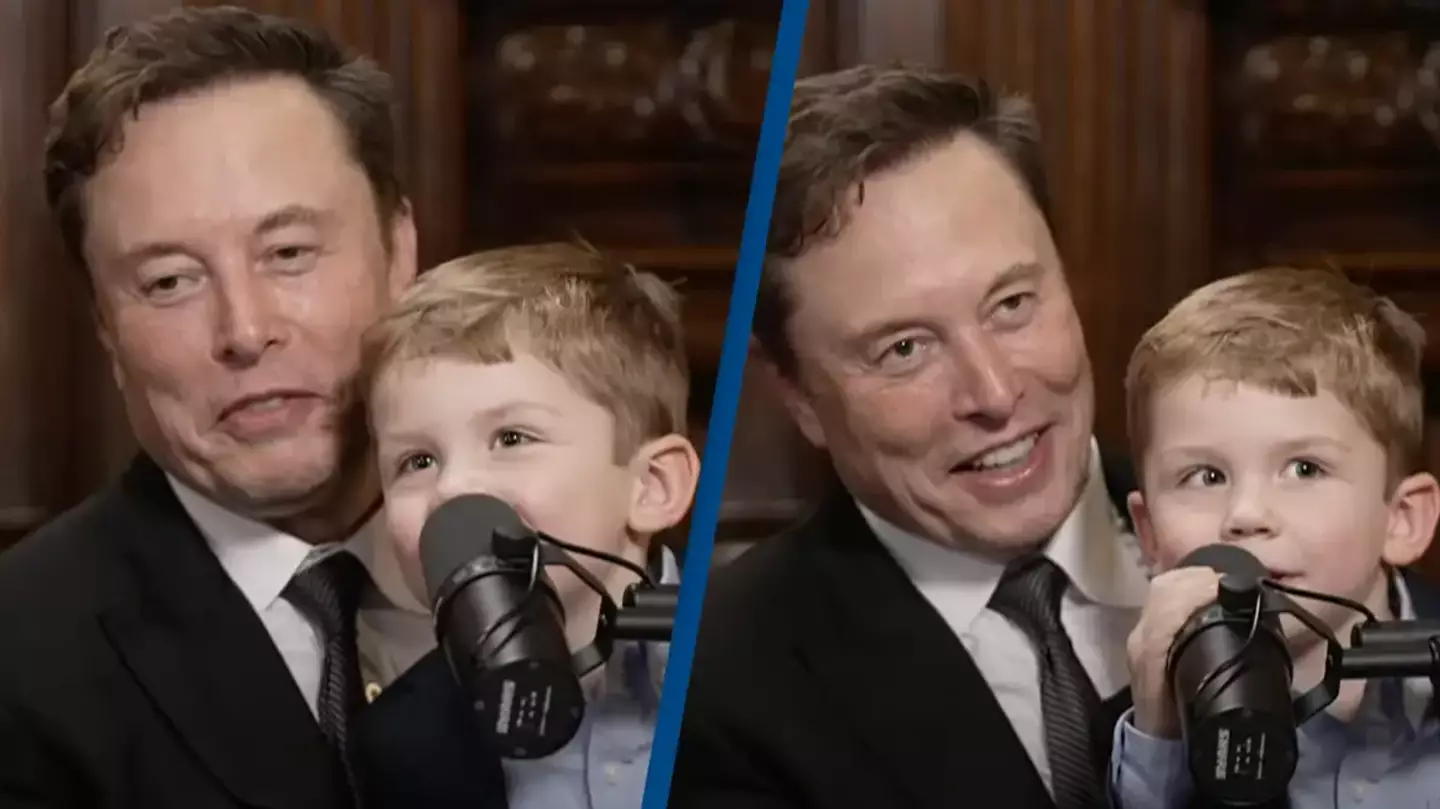
Who is “Elon Junior” and why the name keeps changing?
People casually say “Elon Junior” to mean any of Elon Musk’s children, but most often it points to X Æ A-Xii the son Elon had with musician Grimes in May 2020. Initially spelled X Æ A-12, his name was adjusted to meet California rules and later styled as X Æ A-Xii; regardless, the boy is usually called just “X.” This child has become the single most visible of Musk’s kids because his appearances with dad at public events are widely reported.
A quick map of Musk’s rapidly growing family
Elon Musk’s family has expanded quickly in recent years, now numbering well into double digits with children from multiple relationships. Notably, Musk and Neuralink executive Shivon Zilis have had several children together since 2021, and other relationships have added more names to the list. Therefore, when people say “Elon Junior,” context matters it might mean X, one of the twins, or one of the newer babies.
Why X became a headline: the White House visit
In February 2025, X accompanied Elon to the White House where the two were photographed during a public event. Consequently, the visit sparked debate about privacy, parenting choices, and how much of a child’s life should be on public display. While some praised Musk for involving family in his work life, others including X’s mother Grimes criticized the decision to bring their son into a high-profile political moment.
The Shivon Zilis children and recent additions
Separately, Musk’s relationship with Shivon Zilis has produced multiple children twins born in 2021 and subsequent kids in 2024 and early 2025. Zilis has publicly acknowledged these births and sometimes explains the private, planned nature of the family growth; thus, the media has tried to balance curiosity with respect for privacy. Importantly, the pattern shows Musk’s active, deliberate approach to family expansion, which has become a topic of cultural discussion.
Names, meaning, and the media spectacle
Elon’s kids’ names are often unusual and symbolic for instance, X represents an unknown variable and Exa Dark Sideræl references cosmic or technical themes. As a result, every time a new name is revealed, outlets run explainer pieces that parse pronunciation and intent. Thus, names function both as personal choices and as storytelling devices that the press latches onto.
Public parenting vs. private children: the tension
On one hand, Musk brings certain children into the spotlight intentionally or not which fuels online chatter and meme culture. On the other hand, parents and ex-partners have publicly expressed frustration about exposure and custody visibility. Consequently, these tensions illuminate modern dilemmas: how to raise kids when a parent is a global public figure, and when modern platforms amplify every move.
00What “Elon Junior” tells us about fame and childhood today
First, celebrity children are rarely just “kids” in the public eye; they become symbols of their parents’ brand. Second, their appearances often serve multiple agendas from humanizing a CEO to creating moments that media outlets chase. Lastly, the sheer number and variety of Musk’s children force society to ask tougher questions about consent, representation, and the ethics of sharing a child’s life online. These threads matter because they’re not just gossip; they shape norms about privacy and parenthood in the digital age.
How the press covers “Elon Junior” and why it matters
Journalists tend to emphasize either spectacle (the exotic name, the Oval Office photo) or human interest (co-parenting, custody disputes, family growth). Therefore, coverage can swing from playful to critical within the same news cycle. For readers, this inconsistency is important: it teaches us to look for verified facts and context rather than quick viral takes.
The legal and social backstory you should know
Because birth registrations and custody arrangements differ across jurisdictions, some of the naming and presence controversies tie to legal realities for example, California naming rules influenced the adjustment of X’s official name. Additionally, court filings and public statements have occasionally revealed friction among adults connected to Musk’s family, which in turn affects public perception of the children’s welfare. As a result, legal facts are often the foundation for the headlines you see.
Why people obsess over the kids of the ultra-rich
Put simply, the public treats children of billionaires as mirrors for broader anxieties about wealth, power, and inequality. Moreover, when a figure like Musk who heavily influences tech, politics, and culture chooses to name or present his children in certain ways, those choices become fodder for larger discussions about social norms. Thus, curiosity about “Elon Junior” is both personal and political.
If you want to follow updates responsibly
First, prefer reputable outlets that check facts rather than social platforms that push rumors. Second, respect that children deserve a degree of privacy; adult debates about policy or public figures shouldn’t turn kids into props. Finally, when a new name or photo appears, look for confirmatory statements (from parents, representatives, or trusted reports) before spreading it. These small habits help reduce misinformation and protect minors.
Practical lessons for parents from the “Elon Junior” saga
Parents reading this can take away three concrete things: set clear boundaries about photography and sharing, think ahead about how public appearances might affect a child’s future privacy, and document legal details (like birth certificates and custody agreements) carefully. In other words, whether you’re a private parent or a public figure, transparency and foresight matter. These steps aren’t glamorous, but they protect kids.
Final thoughts: beyond the spectacle
Ultimately, “Elon Junior” is shorthand for a larger cultural moment where tech power, parenting, and media collide. While headlines focus on names, locations, or single photos, the deeper conversation is about how we protect children in an era of constant publicity. Therefore, as readers and sharers of news, we carry responsibility: to be curious but humane, to probe but not exploit. After all, these are real children and they deserve the chance to grow up with dignity, whatever their parents’ fame.