
 By Elena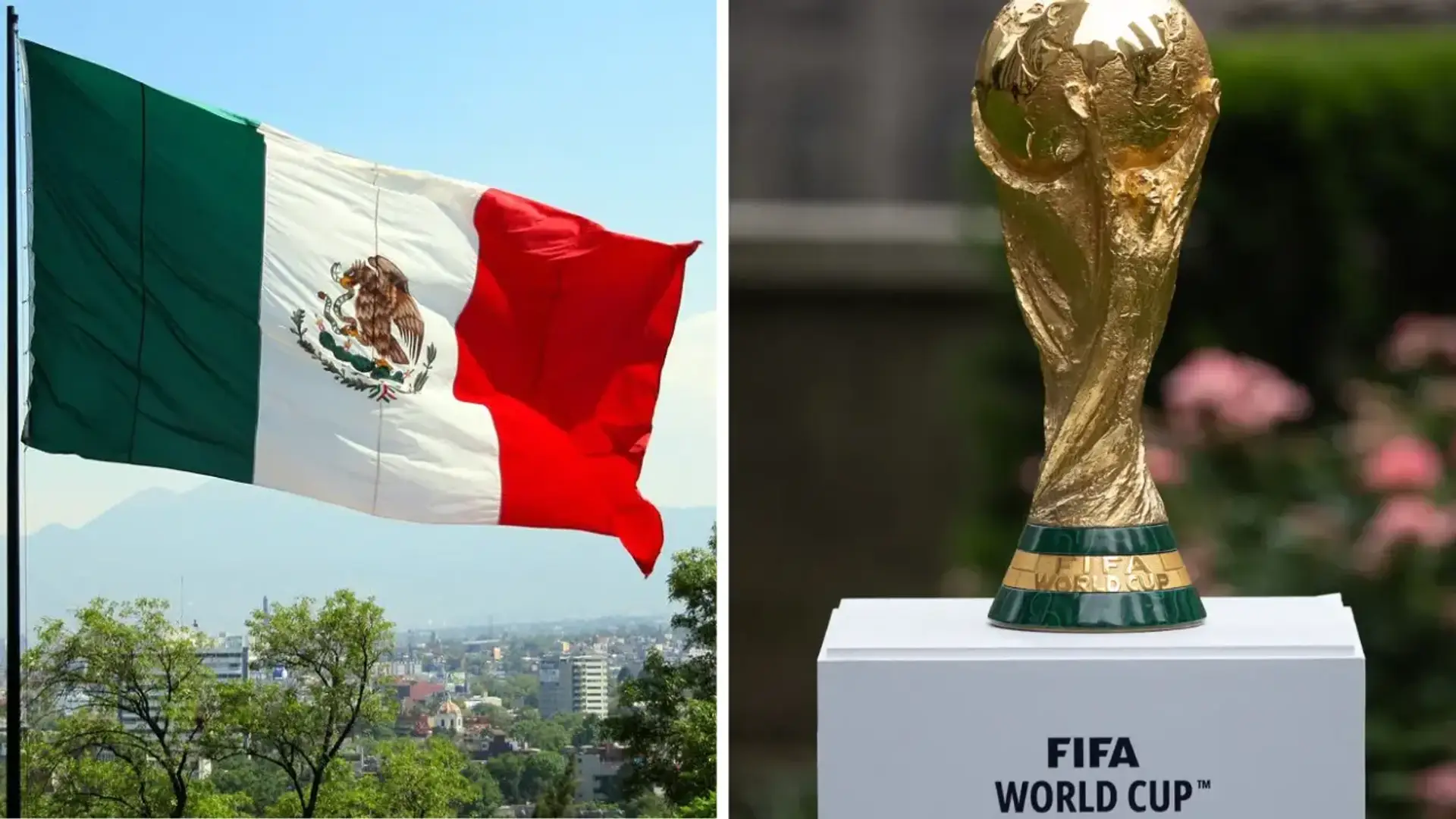
Mexico + FIFA: why 2026 changes everything
Mexico isn’t just a host country on the 2026 World Cup poster it’s one of the three nations shaping a tournament that will expand to 48 teams and transform CONCACAF’s global footprint. This shared hosting slot gives El Tri a rare mix of pressure and opportunity: automatic home attention, huge expectations from local fans, and a real shot at using infrastructure and atmosphere to build momentum. For players and coaches, that means preparation must be smarter, not just louder.
Recent form: momentum from regional wins
If form matters, Mexico have some tangible reasons to feel confident they lifted the CONCACAF Nations League trophy in 2025, showing they can win knockout games under pressure. That title proved Mexico can balance attacking flair with defensive discipline when it counts, and it’s the kind of silverware that reshapes squad belief heading into bigger tournaments. Naturally, trophies aren’t guarantees, but winning breeds habits, and habits matter.
Youth surge: U20 and U17 talent pipelines
Behind the senior headlines, Mexico’s youth teams are making noise: the U20s delivered strong results in 2025 and advanced in world tournaments, while the U17 setup continues to churn promising names into international camps. These youth performances are not random they hint at improved scouting, better club-to-country transitions, and a generation learning to win together. In short, the future might arrive earlier than many expect.
Coaching chatter and stability matters
Coaching stability or the lack of it always affects a national team. Gerardo “Tata” Martino’s name has surfaced in coaching conversations and club links this year, and any coach-linked speculation forces federations to think long-term about identity and tactics. Mexico must balance short-term tournament prep with a consistent playing philosophy if they want results in 2026 and beyond.
Tactical shape: what fans should expect
Traditionally, Mexico has flirted between fluid, attack-minded play and structured counter-attacking setups. Expect pragmatic flexibility: high-possession against weaker CONCACAF sides, disciplined press against elite opponents, and rapid wing transitions when space opens. Coaches will likely select hybrid forwards who can both press and finish, plus midfielders who block lanes and start counters instantly.
Key players to watch (and why)
Focus on creative midfielders who can stretch defences, full-backs who contribute as wingers, and a striker who can hold the line and link play. Young talents from Liga MX and Europe keep popping up that club-versus-country mix will decide how Mexico balances youthful exuberance with experienced game management. Clubs are producing players who can be decisive in high-stakes knockout matches.
Home advantage: more than just noise
Home advantage in 2026 will be literal: packed stadia, familiar pitches, and local support that can sway refereeing narratives and player confidence. However, home pressure cuts both ways players must cope with intense expectation and media heat. The teams who turn stadium energy into discipline will benefit the most.
Set pieces and fine margins
Tournaments are often decided by headers, corners, and calm penalty-takers. Mexico’s work on set pieces both defending and attacking could be the difference between advancing and going home early. Small margins add up, so expect specialized training sessions and carefully chosen penalty options.
Squad depth: the tournament survival kit
With more matches and potentially extra-time, depth is non-negotiable. Mexico need reliable substitutes across defense, midfield, and attack to rotate without losing identity. That depth comes from smart player management in club seasons and targeted integration of U20/U23 talents.
Mental game: handling expectation
Psychologically, Mexico’s fanbase is passionate and sometimes unforgiving. Managing player mental health and media cycles will be as vital as tactical plans. Teams that create a quiet, focused bubble around the squad while still feeding the fans’ excitement tend to perform better under pressure.
Scouting opponents: a new CONCACAF landscape
The expanded World Cup means new opponents and unfamiliar styles. Scouting will shift from just regional rivals to a wider global lens, forcing Mexico’s staff to analyze varied tactical approaches quickly. Adaptability will be a coaching premium heading into 2026.
Club cooperation: why it matters now
Mexican football relies on a healthy club-national relationship. Clubs must be willing to release and manage players carefully, and federations must respect club workloads. When both sides collaborate rotating players, timing training windows, and sharing medical data the national team benefits directly.
Fan culture: a secret weapon
Mexico’s fan culture is unique: rhythmic, creative, and relentless. That culture amplifies home advantage and intimidates visiting teams. The federation can harness this by engaging fans proactively and ensuring match-day atmospheres stay positive and sustained across the tournament.
Development pipelines: practical steps the FMF can take
If the Mexican Football Federation wants long-term success, invest in academy coaching, data-driven scouting, and cross-border exchange programs. More importantly, create clear transition paths for U17 and U20 stars to train with the senior team regularly. These are concrete moves that turn potential into performance.
Media narratives: steering the story
Media can amplify confidence or fuel panic. The federation’s media strategy should protect young players from negative narratives while celebrating progress transparently. Honest communication about goals and realistic expectations keeps the pressure healthy.
What fans should do: a quick checklist
Support local leagues to keep talent pipelines strong, celebrate youth tournaments, and avoid toxic scapegoating after a bad result. Attend matches, buy season tickets where possible, and follow academy news fans who invest in grassroots create a sustainable football culture.
Betting and expectations: a caution
With tournaments comes betting interest. Be cautious: form, injuries, and small tactical choices matter a lot. If you follow odds, do it responsibly and focus on enjoying the football rather than gambling outcomes.
How Mexico can upset the big teams
Upsets come from structure, speed, and belief. Mexico’s best chance is to combine aggressive wing play with compact midfield blocks, then punish spaces with quick forwards. When executed, this approach frustrates possession-heavy teams and opens knockout opportunities.
Women’s football: parallel growth story
Don’t forget the women’s game: growth at domestic levels, better coaching, and international exposure are changing the landscape. Support for both men’s and women’s programs lifts the entire football culture and builds future fans and players.
Looking past 2026: sustainable success
Hosting 2026 is an opportunity to build infrastructure and culture for decades. The real win is not just a deep run in the tournament, but a lasting system that produces competitive teams every cycle. Investment, planning, and patience are the currency of that long-term success.
Realistic optimism
In short, Mexico sits at an exciting crossroads: home advantage, recent regional success, and a promising youth pipeline. If the federation balances short-term ambition with structural planning, and if coaches convert youth talent into reliable senior performers, El Tri could be more than a host they could be genuine contenders. The next year will reveal whether Mexico rises to that challenge.