
 By Elena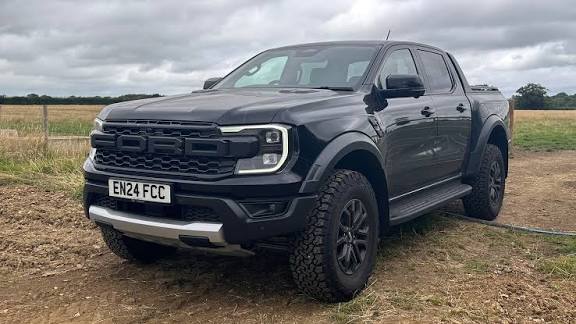
Quick snapshot: what is a Ford Raptor and why people lose their minds over it
The Raptor is Ford’s take on a street-legal trophy truck muscular, wide, and built to go fast off-road. It’s more than a trim; it’s a full performance identity spanning the F-150, Ranger, Bronco lines. If you want a pickup that eats dunes for breakfast and still carries the family to school, the Raptor is designed for that split personality.
Engines and raw numbers: the V6 vs the V8 Raptor story
Modern Raptors come with serious powertrains: the standard F-150 Raptor relies on a potent 3.5L twin-turbo EcoBoost V6, while Ford revived a supercharged 5.2L V8 for the Raptor R version a Carnivore-derived unit that cranks well into the 700-horsepower neighborhood. That V8 variant is engineered to be dramatic on both the stopwatch and in the sand. These power figures translate to savage straight-line speed for a truck and brutal, immediate throttle response off the line.
What changed for 2024 and why it matters
The latest refresh tightened the Raptor’s game: improved airflow with a new hood for the Raptor R, a tweaked torque curve, and an upgraded suspension control system. Ford added dual live-valve FOX shocks that now let the truck adjust compression and rebound more intelligently while you’re hammering down a trail. That tech means better control when the terrain is doing unpredictable things — which is exactly when you want the truck to be smart for you.
Off-road hardware: tires, suspension, and the chassis setup
Factory Raptors come with massive 35-inch tires as standard and options for 37-inch rubber on some builds, plus widened fenders, modular bumpers, and underbody protection. The rear suspension uses coil springs and a five-link arrangement instead of leaf packs, giving better wheel travel and composure over rough ground. Combined, these bits make the Raptor handle like a purpose-built desert racer more than your average truck.
How the Raptor R differs in character (and cost)
The Raptor R isn’t a subtle upgrade it’s the extreme version. More horsepower, unique calibration, exclusive brake and cooling hardware, and special tuning turn a Raptor into a headline act. Naturally, that headline comes with a headline price: these Raptor R builds push MSRP into six-figure territory once options and dealer markups are considered. If you’re buying emotion and performance, expect to pay for the privilege.
Daily driving: can you live with a Raptor on weekdays?
Yes but with tradeoffs. Inside, modern Raptors are surprisingly civilized: roomy SuperCrew cabins, modern infotainment, and creature comforts are standard. However, the suspension and tires that dominate off-road also amplify road noise and a firm ride at low speeds. If you want a two-car life, pair the Raptor with a softer commuter car; if you can stomach the tradeoffs, the Raptor easily handles grocery runs and drop-offs.
Practical numbers: towing, payload, and fuel economy realities
Don’t buy a Raptor thinking it’s optimized like a work truck. Payload and towing figures are certainly respectable for the class, but the Raptor prioritizes performance and suspension travel over maximum payload capacity. Fuel economy in the supercharged V8 Raptor R is predictably thirsty; if mpg is a major concern, the V6 Raptor trims present a more balanced choice. Pick the spec that matches your real needs, not just your headline horsepower desire.
Ownership notes: reliability, recalls, and dealer quirks
Like any high-tech performance truck, Raptors have complex systems that can require dealer attention. Ford’s recent model years have included recalls on some platform cousins, so keeping service records and paying attention to official bulletins is wise. Also, because demand often outstrips supply, dealer markup can push the final price well above MSRP a reality of the current market for niche performance trucks. Shop multiple dealers and consider timing to avoid steep premiums.
Mods and aftermarket life: what you can (and should) change
The Raptor platform is an aftermarket favorite. Common mods include upgraded intake and exhaust, bumpers and skid plates, performance tuning, and long-travel suspension packages. If you plan big mods, budget for supporting upgrades (brakes, cooling, driveline) to keep the truck safe and reliable. Also remember: hardcore mods can affect resale and warranty, so plan accordingly.
Comparison corner: Raptor vs TRX vs Bronco Raptor vs Ranger Raptor
Raptor’s rivals take different approaches. The Ram TRX doubles down on V8 muscle with a chaotic personality. The Bronco Raptor focuses on short-wheelbase agility and rock/sand prowess, while the Ranger Raptor is the mid-size wild child with surprisingly high output for its segment. Choose by mission: desert pounds? TRX/Raptor R. Tight trail fun? Bronco Raptor. Lighter, nimble off-road pickup? Ranger Raptor.
What to test-drive and questions to ask at the dealer
During a test drive, push the truck on different surfaces: pavement for highway manners, a bumpy backroad for suspension feel, and if possible, a short off-road loop to sample approach and departure angles. Ask about wheel/tire packages, factory and dealer applied options, and specific service history if buying used. Most importantly, ask the dealer whether any software or hardware recalls are outstanding it’s better to sort that before signature time.
Resale and market sense: is a Raptor a good investment?
Raptors tend to hold value well relative to ordinary trucks because demand for them stays high. However, they are not classic investments depreciation still happens, and heavy modifications or improper care will accelerate it. If you plan to flip one in a few years, buy a clean spec with popular options and keep it well documented. For long-term enjoyment, buy what excites you and don’t treat resale as the primary decision metric.
New-model watch: what’s coming next for the Raptor family
Ford is expanding the Raptor idea across more nameplates. Spy shots and media reports suggest Raptor variants may appear on smaller Bronco Sport models or receive further electrified options as Ford leans into varied powertrains. Keep an eye on official releases, because Ford’s strategy is clearly to spread the Raptor attitude across different vehicle sizes and use cases.
Who should buy a Raptor and why
Buy a Raptor if you want a truck that’s unapologetically performance first and utility second someone who values trail manners, desert capability, and headline horsepower. Don’t buy one if your priority is maximum payload, best fuel economy, or the quietest daily commute. If your heart races at the thought of wide fenders, long-travel suspension, and a throaty supercharged V8, a Raptor will reward you every time you point it at dirt.