
 By Elena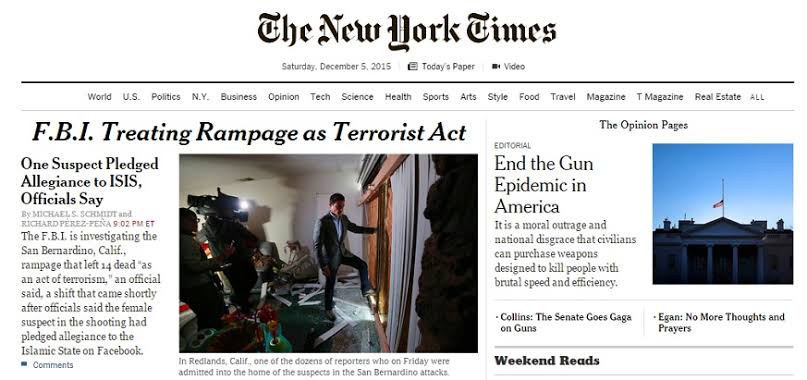
What the Editorials of the Times Really Do
When you think of editorials, you often picture a newspaper’s voice speaking for the institution. That’s exactly what the Times’ unsigned pieces do they reflect the stance of the paper’s editorial board rather than a single columnist. These pieces aim to shape public debate, influence policy makers, and draw in readers who want insight rather than just reporting. But lately, we’re seeing a shift in how they execute that influence and it matters.
How the Editorial Board Is Being Re-Imagined
The Times has recently restructured its opinion and editorial team. They’re cutting down the number of people solely writing editorials and are instead integrating more editors into the board. The idea is to publish fewer but higher-impact pieces.
Why that matters: fewer pieces means each one must punch harder. So when that unsigned editorial appears, it’s likely been polished more and intended to weigh more heavily.
The Frequency Is Dropping but the Stakes Are Rising
Historically the Times ran editorials more often, especially at key moments. But now the board is shrinking its output and focusing on bigger issues.
For you as a reader: when an editorial does publish, it’s less of a “daily opinion” and more of a “this matters” moment. If you skip them thinking they’re filler you might miss something pivotal.
Where the Editorials Are Shifting Focus
The content of these editorials is changing. For instance, the board recently warned about the normalization of political violence in America marking a shift toward cultural and structural issues rather than purely policy debates.
Takeaway: If you’re someone who studies media, politics or is simply interested in current affairs, you’ll want to read these editorials not just for their stance, but for what they represent about the shifting media-landscape.
Why It Matters for Your Own Work & Thought
If you’re blogging, marketing, or engaging in online discourse these changes give several signals:
Credibility matters more. Fewer pieces means each one is aiming for weight. Referencing or responding to them gives you something substantial.
Timeliness matters more. Because the board runs less often and more selectively, an editorial often ties into a larger trend or push.
Framing matters more. These pieces often come with framing, credibility and wider push so if you engage with them, you’re stepping into broader conversations.
Practical Tips On Using These Editorials as a Source
When an unsigned Times editorial drops, treat it like a position paper rather than “just an opinion piece”.
Use it to spark ideas: think “What’s the paper signaling they value now?”
If you’re writing in your niche (like entertainment, media, guest-posting) you can reference the shift to quality vs quantity in editorial work to talk about content strategy.
Notice the language they use: fewer metaphors, more direct statements, because fewer pieces need to carry more weight.
What’s Changed & Why You Should Care
The Times’ editorial board is shrinking in output but upping its ambition.
Each piece now likely underwent tighter editing and is meant to matter more.
The topics are evolving: not just policy, but culture, media, civic life and violence.
As someone creating content, you can treat these editorials as signposts what issues merit response, what tone is shifting, what media strategy is changing.