
 By Elena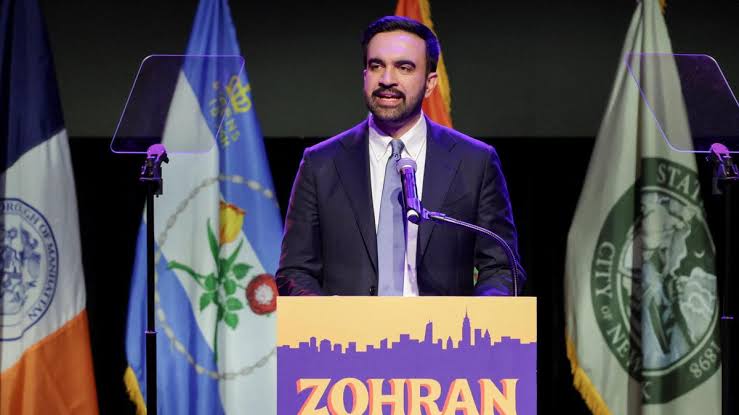
A New Mayor With a New Playbook
New York City just turned a political page by electing Zohran Mamdani as its new mayor, and the mood across the five boroughs is a mix of curiosity, excitement, and a little nervous energy. His win didn’t come out of nowhere; it came from a wave of frustrated renters, tired commuters, overstretched families, and young voters who wanted something different. His campaign flew on a simple message: the city should work for the people who actually live here. With that kind of mandate, the expectations feel massive and very immediate.
Why Mamdani’s Victory Matters in 2025
Mamdani isn’t just another mayor in a long line of City Hall leaders. He is about to become the first Muslim and first South Asian mayor in New York City’s history, while also being one of the youngest to ever hold the office. These milestones matter because representation changes how policies are shaped and whose problems get attention. New Yorkers who once felt invisible suddenly feel like City Hall might finally speak their language figuratively and literally. That shifts the political tone before he even steps into office.
What His Campaign Promised on Affordability
The biggest thread through his entire campaign was one word: affordability. Mamdani talked openly about the crushing cost of living, and he didn’t offer safe, halfway ideas. Instead, he pitched bold plans like rent freezes, universal childcare, and free city buses. To people facing brutal rent hikes and $1,800 daycare bills, these didn’t sound extreme they sounded overdue. His critics argued that these ideas were expensive and unrealistic, but supporters felt they were finally hearing a candidate who understood the real struggle of living in New York.
1. How Renters Could See the First Wave of Change
Rent is where Mamdani’s promises hit hardest. New Yorkers have lived through years of rising rents with very little protection, and Mamdani’s entire voter base was built on renters who feel locked in a losing battle. He has already hinted that his administration will push for strong tenant protections, targeted rent freezes, and deeper regulation of corporate landlords. Actually passing these ideas will require cooperation from the state, and that’s where the real test begins. But even if full freezes take time, expect quick moves like legal support expansion, eviction defense programs, and stronger oversight for abusive landlords.
2. Childcare Relief for Working Families
Childcare has become one of the most unaffordable basics in New York City, and Mamdani made universal childcare a centerpiece of his platform. Families are watching closely because real childcare relief can immediately improve household stability. His team is expected to start with neighborhoods that show the highest need, focusing on expanding public childcare centers and subsidizing community-run programs. The promise is big, but implementation needs trained staff, reliable funding, and cooperation from multiple city agencies. Still, families may see early pilot programs within his first year if the rollout begins strong.
3. The Transit Shake-Up: Free Buses and Fairer Travel
Transit is where Mamdani gets bold. Free or heavily subsidized bus services could shift the entire commuting landscape, especially for workers who rely on long, daily bus routes. But the reality is more complicated because the MTA is not fully under city control. That means Mamdani must negotiate funding, push for city-backed subsidies, and run pilots in select high-need areas. Expect strategic rollouts rather than a full free-bus revolution on day one. If he can reduce travel costs for even a portion of outer-borough residents, he will win major trust early on.
4. Public Safety: Balancing Reform With Stability
Public safety was one of the hottest topics during the campaign, and Mamdani took a reform-focused stance. However, the decision to retain Police Commissioner Jessica Tisch sends a clear signal that he wants balance rather than upheaval. His administration will likely push for alternative response teams for mental-health-related calls, more training for de-escalation, and community-led safety programs. But by keeping Tisch, he also assures moderate voters that policing operations won’t swing wildly overnight. The real challenge will be aligning the NYPD’s existing structure with the reforms he promised on the trail.
5. Housing and Homelessness: Long-Term Plans With High Stakes
New York’s housing crisis didn’t appear overnight, and it won’t be solved quickly either. Mamdani’s platform included expanding affordable housing, supporting rent-stabilized tenants, and investing in shelters that offer real pathways out of homelessness. To make a visible difference, he needs cooperation from the City Council, state partners, and nonprofit developers. The first signs of progress may come through zoning incentives, shelters redesigned with support services, and improved oversight for housing programs. Expect slow but steady movement, with more ambitious targets announced as his team solidifies control.
6. City State Politics: The Quiet Power Struggle
Even the most powerful NYC mayor doesn’t fully control the city’s destiny. Albany holds major influence over housing laws, transit decisions, and policing policies. That means Mamdani’s boldest ideas will require tight coordination with state leaders. If the relationship stays smooth, he can convert more of his campaign promises into policy. But any friction could delay reforms or force compromises that frustrate voters. This political dance will define how fast or slow real changes appear across the city.
7. What New Yorkers Should Expect in the First 100 Days
The first 100 days will reveal Mamdani’s governing style. Watch for his budget signals, new appointments, pilot programs, and early executive orders. These actions set the tone for his entire four-year term. Don’t expect large-scale transformations immediately; big policy shifts need structural groundwork. However, small but visible wins like tenant support boosts or transit pilots could appear early. These “quick wins” help build public trust while the long-term strategies take shape behind the scenes.
How Businesses and Investors Will React to the New Agenda
New York’s business community is cautiously observing the incoming administration. Companies want stability, predictable regulations, and a sense that taxes won’t suddenly spike. Mamdani’s message has focused more on affordability and public services than direct business policy, but his decisions will inevitably affect commercial groups. If he pursues subsidies over tax increases, many businesses will breathe easier. Small business owners, especially in high-rent districts, are hoping for relief measures that help them stay afloat. The balancing act between social support and economic stability will define his relationship with the private sector.
The National Impact of Mamdani’s Win
New York’s mayoral politics don’t stay local. Mamdani’s win has already sparked conversation among progressives nationwide who see him as part of a growing movement of young, diverse leaders. If his policies show measurable results, he could become a symbolic figure for national change. Political analysts are watching how effectively he handles high-pressure challenges like safety, housing, and transit. Success could elevate him into national conversations; setbacks will be magnified because New York’s spotlight is huge.
What New Yorkers Can Do While the New Administration Ramps Up
Instead of waiting passively, New Yorkers can shape the outcomes by staying involved. Community board meetings, budget hearings, and neighborhood councils influence how policies are implemented on the ground. Local participation matters more than people realize. When residents show up, the city listens harder. Whether you care about rent, transit, childcare, or safety, the next four years are the perfect window to get your voice into the room.
Hope, Pressure, and a Real Chance for Change
Zohran Mamdani enters office with a symbolic win, a motivated voter base, and a long list of expectations. He represents change in both identity and ideology, and his agenda speaks directly to the daily struggles of millions. But big dreams require budgeting muscles, political cooperation, and consistent community support. His success will be measured less by one dramatic announcement and more by a series of steady improvements that make the city feel livable again. If he can deliver even a fraction of his promises in his first term, New York may feel like it’s finally shaking off years of economic and emotional exhaustion.