
 By Elena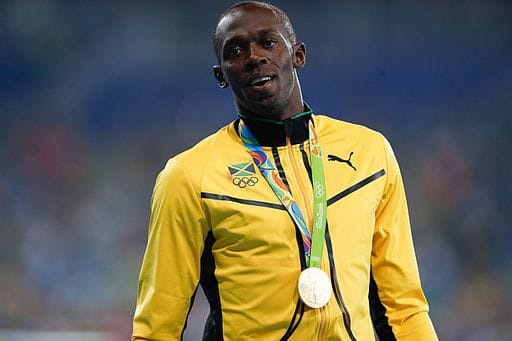
Meet the man who rewrote speed
Usain Bolt isn’t just a sprinter he’s a global character who made running feel like theatre. From a lanky kid in Jamaica to global icon, Bolt turned raw speed into an art form and a brand. This blog breaks down how he did it, what he still does off the track, and why his records feel almost mythical. Read on for clear lessons, fun facts, and up-to-date highlights.
Early life and the Jamaican sprint culture
Bolt grew up in Sherwood Content, Jamaica, a place where sprinting is a rite of passage. He showed talent early, dominating youth meets and drawing coaches’ attention with his rare combination of height and quickness. Jamaica’s school championships (Champs) gave him the platform to explode onto the world stage and refine his killer kick. The island’s sprint culture and community support were crucial fuel for his rise.
Breakthrough years: from Beijing to Berlin
Bolt’s global arrival came at the 2008 Beijing Olympics, where he won 100m and 200m gold and stunned everyone with both speed and showmanship. He then smashed the world records at the 2009 World Championships in Berlin 9.58 for 100m and 19.19 for 200m times that recalibrated what humans thought possible. Those two marks are still the fulcrum of his legend and the baseline for every modern sprinter’s dream.
Why those records feel untouchable
Bolt’s 9.58 and 19.19 stand out because they weren’t just marginal improvements they were seismic. The Berlin race combined perfect form, peak speed endurance, and a rare day when everything clicked. Biomechanics and physiology studies show his unique stride length, turnover balance, and top-speed maintenance made those times possible. In short: talent plus near-perfect execution equals records that last.
The signature: lightning bolt and showmanship
Bolt turned celebrations into an identity. The “lightning bolt” pose, cheeky grin, and relaxed pre-race aura made him approachable and memorable. That showmanship helped him cross sport into pop culture TV, ads, even music collabs. In athletics, charisma amplifies legacy; Bolt’s smile made his speed shareable and viral.
Training, technique, and that unusual physique
At nearly 6’5″, Bolt rewrote coaches’ expectations about height and sprinting. His training focused on maximizing power while keeping stride turnover efficient. He relied on strength work, technical sessions, and rest periods that let speed sessions stick. Importantly, his team tailored drills to his body an excellent reminder that elite coaching is always individualized.
Olympic dominance and the medals haul
Across three Olympics (2008, 2012, 2016) Bolt won multiple golds in the 100m, 200m, and 4×100m relay. His Olympic success turned records into repeated promises kept under pressure. Even with a relay result later affected by a teammate’s disqualification, Bolt’s Olympic footprint remains huge and historically rare.
What happened after retirement: football, music, and business
Bolt retired from athletics in 2017 and tried a brief football career, flirted with music projects, and leaned into business. He didn’t disappear instead, he pivoted into ventures and brand partnerships while staying visible at major events. That transition shows how elite athletes can parlay sporting fame into diverse post-career chapters.
Long-term partners and brand moves: Puma and beyond
Bolt’s long relationship with Puma is a textbook athlete-brand partnership. Puma helped amplify his image while Bolt gave the brand a human, joyful face for sprinting. Beyond Puma, Bolt’s name appears in restaurants, media appearances, and curated business projects that keep his brand active and culturally relevant.
Giving back: the Usain Bolt Foundation and 2025 initiatives
Bolt doesn’t only sell brands he gives back. The Usain Bolt Foundation funds youth sports, education, and community projects. Notably, in 2025 the foundation announced multi-million funding to rural schools to prepare for national school athletics, underlining a long-term investment in Jamaica’s next generation of athletes. That kind of structured philanthropy shapes the pipeline that once helped him become great.
The tech debate: could modern spikes have beaten his times?
A hot topic in athletics is how modern “super-spikes” change performance. Bolt has remarked that with today’s carbon-plated spikes he might have run even faster, pointing to gear advances as a factor in future record challenges. That insight frames current debates about technology, fairness, and how records from different eras should be compared.
Recent public appearances and voice in sport
Even years after retirement, Bolt remains a sought speaker and influencer. He turns up at events to talk resilience, agility, and the crossover between elite sport and business. He uses his platform to champion youth sport and occasionally weigh in on the modern sprint scene. That ongoing visibility keeps his legacy active rather than frozen in the past.
Legacy: beyond times and trophies
Bolt’s real legacy isn’t only measured in seconds or medals; it’s in the way he changed the sport’s storytelling. He made sprinting sexy, accessible, and globally watchable. He inspired a generation of athletes who now chase not only records but also personality and presence. Legacy equals influence, and by that measure Bolt is still sprinting ahead.
Practical takeaways for coaches and athletes
If you coach or train, the Bolt story suggests three things: individualize training to the athlete’s body, mix power with speed endurance, and cultivate personality alongside performance. For young athletes, his path shows that discipline plus joy can coexist and joy can be a performance multiplier. Small practical drills and consistent rest cycles beat gimmicks over time.
Why fans still argue about “will anyone beat Bolt?”
The debate will persist because records are a story readers love drama, technology, and rising stars all feed the plot. Some experts think modern spikes and training might eventually topple Bolt’s marks; others point to the exceptional contextual conditions of his Berlin races as uniquely hard to repeat. Either way, the argument underlines how exceptional those performances were, and how sport evolves with each generation.
what Bolt teaches outside the stopwatch
Bolt’s life teaches persistence, showmanship, and the smart use of platform. He shows athletes how to stay human in a numbers-obsessed world, and how to convert peak moments into lasting influence. Whether you’re a runner, a coach, or a fan, the Lightning Legacy has practical lessons and inspirational beats.