
 By Elena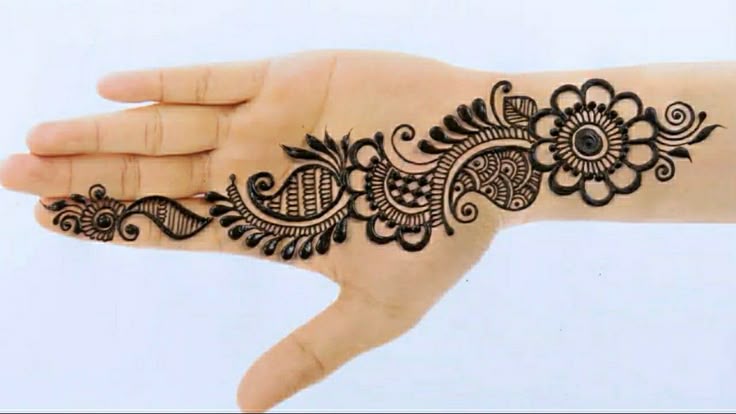
What is Henna?
Henna is a natural dye made from the dried leaves of the Lawsonia plant.
For centuries, people across South Asia, the Middle East, and North Africa have used it for body art.
It’s loved for its earthy tone, cooling effect, and deep cultural roots.
Where Did Henna Designs Come From?
Henna designs have been around for over 5000 years.
They started as a way to cool the body in scorching heat and soon turned into a form of celebration.
Today, they’re a mix of tradition and modern art seen in weddings, Eid, Diwali, and even fashion shows.
Why Henna Designs Are So Popular
Henna isn’t just beautiful it’s pain-free, temporary, and chemical-free.
Unlike tattoos, you don’t have to commit forever.
Plus, it’s budget-friendly and super customisable.
Types of Henna Designs You Should Know
Not all henna looks the same.
From minimal finger art to full bridal arms, styles vary by culture and creativity.
Let’s break down the most popular ones so you know what to ask for.
Arabic Henna Designs
Bold, flowy, and filled with floral patterns, Arabic designs are a hot favourite
They usually cover one side of the hand and leave lots of skin visible.
Perfect for those who love elegance without too much clutter.
Indian Henna Designs
Indian mehndi is all about the details.
Think paisleys, peacocks, mandalas, and even tiny bride-and-groom motifs.
These designs are dense, intricate, and stretch from fingertips to elbows.
Pakistani Henna Designs
Pakistani styles blend Arabic boldness with Indian detail.
They often feature thick floral vines with fine netting or lace patterns.
You’ll see them most during weddings, where they shine the brightest.
Moroccan Henna Designs
These are geometric, symmetrical, and super edgy.
Moroccan henna often includes diamonds, triangles, and checkerboard patterns.
They’re bold, modern, and gender-neutral, great for those who like a unique twist.
Western Henna Styles
Modern henna is going global.
In the West, people use white henna, glitter henna, and even metallic versions for festivals and beach parties.
They lean toward minimal, chic designs like feathers, mandalas, and moon phases.
Henna for Weddings
Bridal henna is a whole different league.
It takes hours to apply and is filled with personalized elements like initials, wedding dates, or hidden symbols.
The darker the stain, the deeper the loveaccording to tradition.
Finger and Wrist Henna Designs
Minimalist henna lovers, this one’s for you.
Tiny dots, leafy trails, or simple chains around your fingers and wrists can look effortlessly chic.
Ideal for casual events or daily wear.
Foot and Ankle Henna Designs
Don’t ignore the feet they deserve attention too.
Henna on feet looks gorgeous with sandals or barefoot at weddings.
Ankle bands, toe rings, and floral soles are trending hard.
Festive Henna Looks
For Eid, Diwali, or family functions, go for semi-full hand patterns.
They’re faster than bridal designs but still make a strong impression.
Use matching nail polish or bangles for extra glam.
Henna for Kids
Yes, even little ones love henna!
Designs are usually fun and simple—like hearts, smiley faces, or stars.
Always use organic henna for kids to avoid any allergic reactions.
White Henna and Modern Trends
White henna isn’t actual henna it’s body paint that mimics the style.
It doesn’t stain but sits on the skin, perfect for beachy events or photoshoots.
It’s safe, creative, and fades fast, so you can change your look often.
Tips for Long-Lasting Henna Stains
Want your henna to last longer and darker?
Don’t wash the area right after application.
Instead, let it stay overnight, and seal it with lemon-sugar spray for better results.
Avoid These Henna Mistakes
Never use “black henna” it contains harsh chemicals like PPD.
Always test a small patch before full application.
And don’t rush the design it needs patience to look perfect.
Henna Aftercare Done Right
After removal, avoid water and soap for at least 4 hours.
Apply coconut or olive oil to lock in the stain.
Heat helps too keep your hands warm to deepen the color.
Can You Do Henna at Home?
Absolutely!
Henna cones are easily available and super easy to use.
YouTube is full of tutorials—from beginner dots to full-hand designs.
Tools You’ll Need for DIY Henna
All you need is a good-quality henna cone, tissues, and lemon-sugar solution.
If you’re feeling fancy, use stencils for a clean finish.
Just don’t forget a mirror and good lighting!
Is Henna Safe for Everyone?
Henna is natural and safe for most skin types.
Still, allergic reactions can happen—especially with chemical-mixed products.
Always choose organic henna from trusted sources.
The Culture and Emotion Behind Henna
Henna isn’t just body art it’s a form of bonding.
Sisters, cousins, friends all gather to celebrate and apply it together.
It’s more than design it’s a memory in the making.
Trending Henna Styles for 2025
This year, mixed styles are all the rage.
Think Arabic vines with Indian fillers or minimal Moroccan on fingers.
Color play is big too brown, white, even glitter shades are in
Final Thoughts.
Henna designs are more than just prettythey’re expressive, cultural, and deeply personal.
Whether you’re a bride, a festival-goer, or just bored on a Sunday, there’s a henna style out there for you.
So grab that cone, unleash your creativity, and let your hands do the talking.