
 By Elena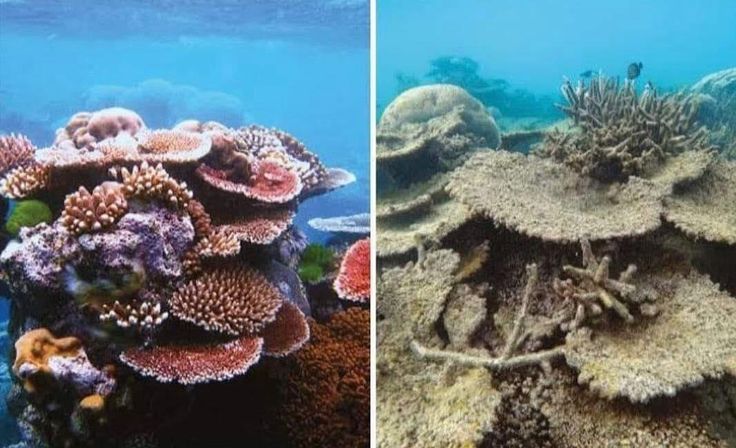
What Is Coral Bleaching and Why Should We Care?
Coral bleaching happens when corals get stressed due to changes in temperature, light, or nutrients. When this occurs, they expel the algae living in their tissues, causing the coral to turn completely white.
This isn’t just an ocean aesthetic issue. Those algae provide up to 90% of a coral’s energy. Without them, coral reefs begin to starve.
The Alarming Scale of Global Bleaching
From 2023 into 2025, the world is experiencing its fourth global mass coral bleaching event. Scientists have confirmed coral bleaching in over 54 countries.
This is not a localized issue. It’s affecting reefs in the Pacific, Indian Ocean, Atlantic, and even the Red Sea.
Why 2023 Was a Turning Point
2023 recorded the highest ocean temperatures ever, triggering widespread reef bleaching from Australia’s Great Barrier Reef to the Florida Keys.
El Niño conditions intensified the crisis, pushing sea temperatures above the threshold where corals can survive.
2024 and Beyond: The Bleaching Continues
As of 2024, bleaching is no longer seasonal or regional. It has become a year-round, global threat.
With predictions of continued warming into 2025, reefs are struggling to recover between bleaching waves.
Coral Reefs: The Rainforests of the Sea
Coral reefs may only cover 1% of the ocean floor, but they support 25% of all marine life. That’s a staggering statistic.
From tiny clownfish to large sharks, millions of species depend on reefs for food, shelter, and breeding grounds.
Bleaching’s Ripple Effect on Marine Life
As reefs bleach and die, fish populations decline. That affects not just biodiversity but also the global fishing industry.
Tropical communities that rely on fishing are already experiencing reduced catches and economic hardship.
Coastal Communities at Risk
Beyond biodiversity, reefs act as natural breakwaters. They reduce coastal erosion and protect human settlements from storm surges.
As reefs disappear, coastlines are becoming more vulnerable to hurricanes, cyclones, and rising sea levels.
The Tourism Fallout
Reef tourism generates billions of dollars each year. Countries like Maldives, Indonesia, and Australia are heavily dependent on this income.
But tourists don’t want to snorkel over dead, colorless coral. Tourism declines as reef health deteriorates.
What’s Fueling This Crisis?
The primary culprit is climate change. Rising sea temperatures are the main driver of coral bleaching.
Pollution, overfishing, and unsustainable tourism practices add extra stress that weakens coral resilience.
Can Coral Reefs Recover?
Yes—but only under the right conditions. Some reefs have shown signs of recovery when stressors were removed.
However, repeated bleaching events don’t give coral enough time to bounce back, making full recovery difficult.
Global Efforts to Save the Reefs
Organizations like NOAA, WWF, and Coral Restoration Foundation are working to restore coral through lab-growing and reef planting.
Many nations are establishing marine protected areas (MPAs) to reduce human impact.
The Role of Technology in Conservation
AI, drones, and underwater robotics are helping monitor coral health and map damage in real time.
Scientists are also experimenting with genetically resilient corals that can withstand warmer temperatures.
What Can You Do as an Individual?
Reduce your carbon footprint. Every bit of energy saved helps cool the oceans.
Avoid purchasing coral-based jewelry and souvenirs. Use reef-safe sunscreens when swimming.
Support reef-focused charities and conservation efforts through donations or volunteering.
Educate, Advocate, Act
Talk about coral bleaching. Share accurate info on social media and call for climate action.
Join campaigns that push for stronger environmental policies at local and international levels.
Hope Is Still Alive
Despite the crisis, reefs that were once bleached have rebounded with proper care and reduced stress.
The ocean has remarkable healing power—but it needs our help now more than ever.
A Final Wave of Thought
We often overlook the ocean because it feels so distant. But its health is directly tied to ours.
If coral reefs vanish, we lose not just marine life but food security, jobs, and protection from disasters.
So let’s make sure the world doesn’t ignore this silent catastrophe any longer. It’s time to act, protect, and preserve our planet’s beating blue heart.