
 By Elena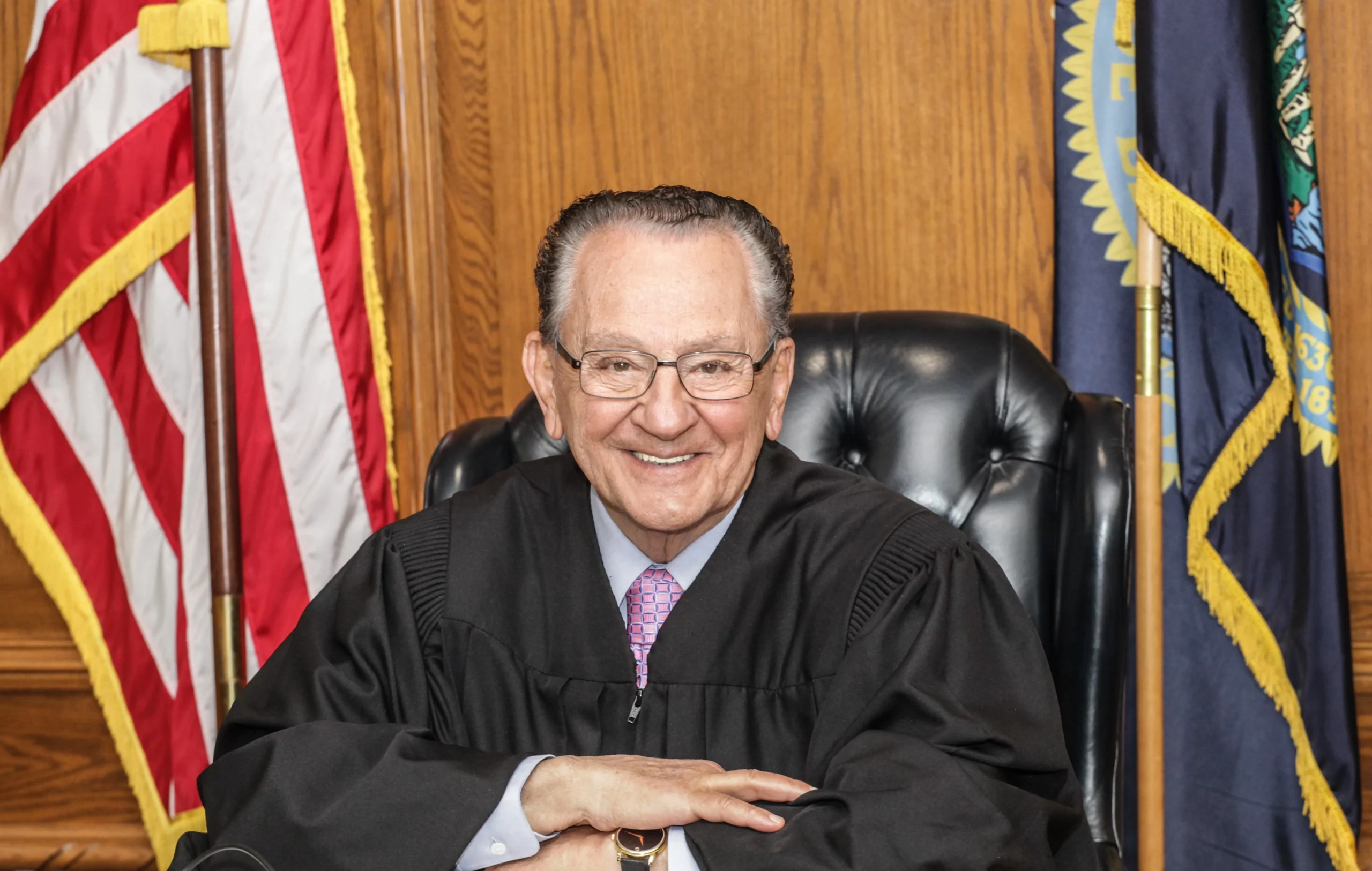
Who is Judge Caprio and why people can’t stop watching him
Frank Caprio was the warm, chuckling municipal judge from Providence whose courtroom moments went viral around the world. He didn’t shout, he listened and that small difference made him feel like an outlier in modern media. People started sharing his rulings because they saw empathy, not just law.
From local TV to global fame: the rise of “Caught in Providence”
Caprio’s show Caught in Providence began as local programming and later reached national and international audiences when clips went viral in the 2010s. Short videos of his courtroom kindness spread rapidly on social platforms and helped the show gain millions of viewers. That grassroots virality turned a municipal court into a global classroom on humane judging.
The courtroom style that hooked millions
Judge Caprio’s approach was simple: talk to people like humans, not case numbers. He often cracked gentle jokes, asked about family situations, and made decisions that balanced law with context. This style proved that judicial proceedings can be instructive without being cold. The result: viewers felt comforted, not chastised.
Virality by the numbers how big did it get?
Videos from his courtroom attracted extraordinary attention billions of views across platforms and a YouTube channel with millions of subscribers. Those stats turned a small Rhode Island benchroom into a cultural phenomenon and made Caprio a recognizable face across continents. His clips were used to spark conversations about justice, empathy, and media representation of courts.
A judge with a backstory: roots, education and public service
Caprio’s story isn’t just viral clips he served on the Providence bench for decades and was active in local politics and education oversight. He brought years of civic work and community knowledge to each case he heard. That institutional background is why his warmth felt rooted in real public service, not performative kindness.
Why his rulings felt like teaching moments
Instead of lecturing, he used short, clear stories and quick questions to surface context why the infraction happened and how to avoid it next time. People watching at home often learned more about everyday struggles than from typical court transcripts. That educational angle made his videos shareable and repeatable in classrooms and family chats.
The human moments that became headlines
From elderly drivers to stressed parents, Caprio treated each person like a neighbor. He would sometimes dismiss or reduce tickets when circumstances showed real hardship. Those moments weren’t legal loopholes they were examples of discretion used with compassion. Readers found the scenes moving because they revealed unexpected dignity in a bureaucratic setting.
Compassion, not softness: how law and empathy coexisted
Caprio wasn’t soft on principle; he simply applied the law with attention to human consequences. He explained rules clearly and used his rulings to teach responsibility. That balance is why legal professionals and laypeople both admired his work. It’s a reminder that empathy can sit beside accountability.
Retirement and the end of an era on the bench
After serving nearly four decades, Caprio retired in 2023, marking the close of a long municipal career. His retirement meant the end of routine filming in that courtroom, yet the clips continued to find new audiences online. For many viewers, retirement didn’t end his influence; it changed how people consumed his legacy.
Health struggle and public transparency
In late 2023, Judge Caprio publicly revealed a pancreatic cancer diagnosis and later shared milestones from treatment, including finishing radiation in 2024. He wore his vulnerability openly, asking for prayers and offering gratitude for family support. His transparency deepened public affection and concern during his illness.
The final chapter and global tributes
In August 2025, news outlets reported his passing at age 88, and tributes poured in from fans, colleagues, and public figures. For many, his death felt like losing a public figure who modeled decency at a time when that trait feels scarce. Public remembrances emphasized how a small courtroom taught the world about mercy.
What journalists and scholars noticed about his effect
Writers and commentators didn’t just share clips they analyzed how Caprio’s courtroom acted as soft civic education. Commentaries pointed out that his videos humanized legal processes and opened debates about access to justice and judicial discretion. Academics noted how viral media can alter perceptions of institutions traditionally seen as distant.
How “Caught in Providence” changed courtroom media
Before Caprio, courtroom TV often focused on spectacle or sensationalism. His channel redirected attention to quiet moments of accountability and reconciliation. The show proved that restraint and clarity can be as compelling as drama. Producers and legal educators began looking to those clips as templates for constructive court coverage.
Lessons for leaders: what public servants can learn
Caprio demonstrated that clear communication and basic courtesy build trust faster than theatrical authority. He modeled how listening yields better decisions and better public perception. Leaders in schools, offices, and local government can borrow this small-playbook approach: ask, listen, explain, decide.
Why his messages traveled across cultures
The scenes in his courtroom were short, emotionally straightforward, and universally human which made them easy to share globally. People who’d never set foot in Rhode Island saw familiar family struggles and common-sense solutions. That cross-cultural resonance is a major reason his content wasn’t just viral, it stuck.
Critiques and balance: not everyone agreed
Some observers cautioned that viral clips can oversimplify complex legal realities and that editing can shape perception. Legal experts reminded viewers that short videos don’t show an entire docket or judicial constraints. Those critiques are useful: they prompt us to study full contexts rather than only arresting highlight reels.
The business of kindness: syndication and streaming
After viral success, episodes and compilations found new homes via syndication and streaming platforms, expanding reach and creating revenue channels for producers. That move showed how authentic content can become sustainable media if audiences stay engaged. It also sparked conversations about commercialization of public service footage.
Caprio’s writing and reflections late in life
Beyond TV, Caprio shared reflections in writing about the values that guided him on the bench. Those pieces offer concise, practical advice for anyone who deals with people under pressure. For readers, his words act as a companion to the videos the same voice, but on the page.
Why Judge Caprio’s approach matters in 2025
In an era of polarized headlines, his calm and humane voice felt like a small corrective. People hungry for civil discourse found his style restorative and instructive. He left a blueprint: institutions can be firm and kind at the same time.
Practical takeaways for readers
If you want to borrow Caprio’s approach: speak plainly, ask one or two good questions, and explain outcomes so people learn from decisions. Small gestures a timely question, a clear explanation can change how others receive authority. Those moves are practical, repeatable, and proven in his courtroom.
How educators can use his clips responsibly
Teachers can pair short clips with guided discussion prompts about fairness, responsibility, and civic systems. Use full episodes when possible to avoid misinterpretation from isolated moments. That method turns viral content into thoughtful classroom tools.
The digital legacy: archival and access
Caprio’s videos now live across platforms and serve as an archive of a particular style of public service. Archivists and civic groups can preserve these clips as materials for future study about media and justice. Preservation matters because media shapes memory.
What families saw in his rulings
Many viewers recognized their own struggles in the people who came before his bench. He didn’t judge character; he judged acts and consequences, often offering second chances. Families found comfort in seeing someone respond with measured mercy.
The balance of mercy and rule of law
Caprio’s examples show mercy doesn’t mean abandoning the law it means using discretion with transparency and reason. That balance is essential for legitimate authority to retain public trust. His courtroom became a small case study in how that balance plays out.
Final reflections on a public servant’s quiet power
Judge Caprio’s legacy is less about fame and more about a season of public teaching through humble acts. His life shows that consistency, clarity, and compassion can ripple far beyond a single courtroom. That ripple is the real story many of his fans carry forward.
How you can learn more (without following clickbait)
Watch full episodes or authorized compilations to get context, read interviews and his own writings for his intent, and prefer reputable news coverage for facts about his career and life. Doing so respects both the man and the legal process he represented.
Small acts, big echoes
Judge Caprio modeled a rare mix: legal clarity and human listening. In a few minutes on a clip you can see how modest choices create trust, teach lessons, and leave a lasting impression. That’s why a municipal court in Providence became, for many, a source of hope.