
 By Elena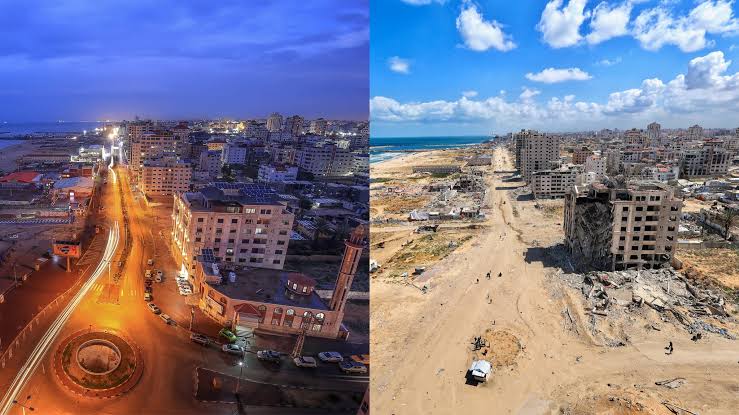
where we are right now
7Gaza is facing one of its bleakest moments since October 2023. Israeli forces have intensified strikes on Gaza City, including multi-storey residential towers, while evacuation warnings keep being issued. The fighting has pushed huge numbers of people into deeper hunger and displacement.
Ground reality: attacks, towers and new forced moves
In the past 48 hours, Israeli strikes flattened another high-rise in Gaza City and warned residents to evacuate nearby buildings and tents. These operations are part of a wider push to take control of dense urban pockets. Civilians who have nowhere safe are being asked to move again, which is impossible for many.
Casualties and the humanitarian toll
Hospitals are overflowing and medics are stretched thin. Official tallies from local sources show tens of thousands killed since October 2023, with heavy new daily death and injury numbers during recent operations. Meanwhile, reports confirm acute hunger and famine-like conditions in parts of Gaza. These are not abstract stats — they mean families without food, medicine, or shelter.
Displacement: repeated and totalizing
About 90% of Gaza’s population has been displaced at least once, many several times, and now face ruined neighbourhoods and scarce services. Makeshift camps and school shelters are under strain as people return to destroyed homes or try to move again after fresh evacuation orders. The cycle of displacement increases disease risk and erodes whatever coping mechanisms people had left.
Hostages, offers and the stalled talks
Negotiations remain tangled: Hamas has reiterated offers to release hostages in exchange for a halt to military operations and withdrawal, while Israeli leaders keep demanding full concessions. At the moment, both sides are setting conditions that make a quick, clean bargain unlikely. That stalemate keeps the violence and suffering locked in place.
Why high-rise strikes matter beyond rubble
When towers fall, it’s not just bricks: entire vertical neighbourhoods vanish. ID cards, documents, livelihoods, and informal markets go with them. Afterwards, rubble blocks roads and aid convoys, while the psychological damage to survivors is long-term. In short, bombing towers reshapes a city’s life for years.
The humanitarian pipeline: starving for access
Agencies warn that food, fuel and medical supplies are nowhere near the scale needed. Even when aid is assembled, security and logistics often block delivery. The UN and humanitarian partners are repeatedly calling for safe corridors and more predictable access to prevent famine. Every delay equals more children and elders at risk.
Regional ripple effects: Egypt, Israel and neighbours
Egypt is in a tight spot: hosting displaced Gazans or letting them pass risks political and security blowback. Israel faces internal pressure too protests inside Israeli cities are growing, with people calling on leadership to change course. The region watches anxiously because any escalation could widen into a broader emergency.
The legal and moral frames people are using
Debates rage about proportionality, civilian protection, and whether some tactics amount to forced displacement or worse. International actors and rights groups highlight obligations under international law, while states focus on security arguments. For ordinary people, though, the headline is simple: lives are being lost and basic rights ignored.
Media, fog-of-war and what to trust
In a fast-moving conflict, claims fly in every direction. Verified reporting from the ground helps, but access is patchy. Cross-check the big numbers with UN or established wire agencies, and be wary of single-source claims shared as fact. Trust but verify and look for multiple, independent confirmations.
Human stories: the small details that matter
Amid the headlines, people tell common things: no water at dawn, queues for bread, kids who haven’t seen school in months. Those small facts explain the real emergency. When you read casualty figures, remember there are names, homes, and memories behind each one. That keeps the crisis human, not just political.
International response: pressure, promises, limits
Countries and international bodies are talking pressing for ceasefires, aid corridors, or political solutions. But grand statements don’t always translate into access on the ground. Diplomacy moves slowly, while bombs and shortages act fast. That mismatch is painfully visible today.
The likely short-term scenarios
Expect one of three paths: a localized ceasefire and scaled-up aid; continued urban offensives with more displacement; or a negotiated deal tied to major concessions and longer-term security guarantees. The next few weeks matter they may decide whether Gaza slides deeper into famine or stabilizes enough for recovery.
What people can actually do practical steps
Donate to vetted humanitarian agencies working in the region, support verified fundraising, and amplify credible requests for aid routes. If you’re a journalist or content creator, prioritize verified facts and survivor voices. Finally, keep pressure on policymakers petitions, local delegations, and civic contacts matter. Small, sustained action beats loud, one-off outrage.
How to follow updates without burnout
Set a couple of reliable news alerts (UN, Reuters, AP, Al Jazeera), then limit news checks to two or three times a day. Follow a few trusted journalists on the ground and one humanitarian update account. Mental health matters: stay informed, but protect your energy so you can actually help.
Why this moment feels different
This phase has more urban destruction, higher displacement rates, and an aid system under greater strain than before. Combine that with hard bargaining over hostages and you get a conflict that’s harder to pause. That is why many observers warn of a deeper humanitarian collapse if access and diplomacy don’t improve.
Simple ways to explain this to someone else
Say: “There’s a push into Gaza City; big buildings are being hit; people keep moving and there isn’t enough food or medicine; talks about hostages are happening but no deal yet.” Keep it short. Then point them to one UN update and one wire report for details. Clear language builds pressure for help.
keep watching, keep caring
Gaza’s situation is tragic and fluid. Facts change fast, but human needs remain the same: food, water, medicine, shelter, and safety. Read reputable sources, support humanitarian work, and push your leaders to demand safe, sustained access. That is how small actions add up into something meani