
 By Elena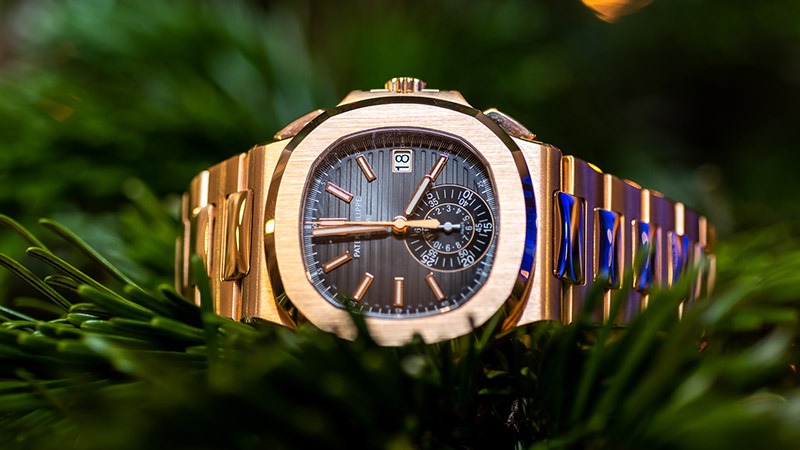
A quick love letter to Patek
Patek Philippe isn’t just a watch brand it’s a culture, a hobby, and for some, an obsession. Founded in the 19th century, the house quietly built a reputation for hand-finished movements and designs that last generations. Today its name alone can send collectors into bidding wars and waiting lists into multi-year territory. If you like stories behind objects, Patek’s got a few masterpieces to tell.
Where it all began: the origins
The Patek story starts with Antoine Norbert de Patek in Geneva, 1839, and gets its modern shape when Jean Adrien Philippe joined with his keyless-winding invention. That pairing Patek’s patronage and Philippe’s technical genius created the DNA you still see in their watches. The firm has nurtured rare crafts like enameling and guilloché while quietly engineering new mechanical solutions. In short, it’s a brand rooted in tradition but never stuck in the past.
The Nautilus: the steel sports watch that rewrote the rules
In 1976 Patek stunned the world with a stainless-steel sports watch designed by Gérald Genta, the Nautilus. Unlike the dress pieces Patek was famous for, the Nautilus was bold, sporty, and shockingly priced for the house. That gamble turned into legend: the Nautilus is now an icon with insane demand and a cultural halo that fuels waiting lists and sky-high resale values. If you want to understand modern watch hype, start with the Nautilus.
Craftsmanship: what you’re actually paying for
Buying a Patek is paying for tiny, obsessive things: hand-polished bevels, enamel dials fired by masters, and movements finished by hand. Every case, every screw, and often every dial element gets human attention before a watch ships. The company also uses in-house research and materials like Spiromax balance springs and Gyromax balances to boost performance. This is haute horlogerie at the micro scale and that precision costs time and money.
Complications: the playground of watchmaking nerds
Patek’s Grand Complications are where watchmaking reads like classical music insanely complex but gorgeously composed. From minute repeaters to perpetual calendars and multi-timezone chiming pieces, these watches showcase skills that take years to master. They don’t just tell time; they measure seasons, chime the hour, and sometimes even reverse the case to show a second dial. If complications thrill you, Patek’s lineup reads like a greatest-hits collection.
Why collectors lose sleep (and wallets) over Patek
Auction houses and record sales tell the real story: Patek pieces consistently top high-end watch auctions. Rare references and unique pieces fetch multi-million dollar prices at major houses, turning certain models into investment-grade artefacts. This collector mania is driven by scarcity, provenance, condition, and, frankly, celebrity hype. So yes collecting Patek can be emotional and financial, in equal measure.
New watches and the brand’s modern heartbeat
Patek isn’t a museum it releases new models each season that blend legacy with fresh complications. Recent showcases at industry fairs introduced new Grand Complications and refreshed classics, proving the brand can still surprise enthusiasts. These new references often sell out at boutiques and push buyers to authorized dealers or the secondary market. If you follow releases, you’ll get the best sense of where the brand’s design language is headed.
How to tell a real Patek from a fake (short checklist)
First, paperwork matters: original papers and a box are gold for provenance. Next, check finishing Patek finishes are microscopic and flawless; sloppy anglage or rough screws are red flags. Verify the movement through an authorized service or trusted watchmaker if possible; Patek movements are signed and meticulously finished. Finally, beware “too good to be true” prices Patek fakes are common, and so is shady provenance.
Which Patek to buy depending on your vibe
If you want everyday elegance, look at Calatrava-style dress watches understated, timeless, and wearable every day. If you want sporty luxury with cult status, Nautilus or Aquanaut models are the obvious pick. For true horological drama, Grand Complications or limited pieces show off mechanical flair. Match the watch to your lifestyle, and remember resale will vary wildly by model and edition.
The reality of waiting lists and boutique buying
Want a Nautilus at retail? Expect patience. Authorized dealers allocate pieces based on client history, brand relationships, and sometimes sheer luck. Many buyers enter long waitlists or take boutique allocations for other models as a pathway to the hottest references. Alternatively, secondary market dealers and auctions deliver speed — but with a premium.
Patek and investment talk yes, but tread carefully
Some Patek models have outperformed classic investments over short windows, especially rare Nautilus and vintage Grand Complications. However, watch prices fluctuate and liquidity varies; not every Patek will soar. If you buy for love first and value second, you’ll avoid the biggest regrets. Think of possible upside as a bonus, not a guarantee.
Caring for a Patek: maintenance basics
Mechanical watches need love: regular servicing every 4–7 years keeps complications reliable and oil distributed. Store your watch away from magnets and extremes of temperature to preserve accuracy and the dial finish. Always use authorized service centers for complex pieces DIY risks damaging delicate mechanisms and voids warranties. A little care preserves both timekeeping and value.
Common myths busted
“No, Patek is only for old men.” Not true collectors and celebrities of all ages wear Patek now, and designs suit many wrists. “All Pateks are the same.” Also false styles range from severe dress pieces to sporty steel icons and crazy mechanical showstoppers. “You must be rich to start collecting.” You can begin with entry-level models or vintage pieces; buying thoughtfully trumps buying loudly. Context and taste beat stereotypes.
Provenance and why a watch’s story matters
A watch that came from a famous collection or has documented history often carries a premium. Auction catalogues and brand archives can confirm provenance and sometimes reveal manufacturing dates or original configurations. For rare pieces, even a previous owner’s story can transform a watch into a cultural artifact. So ask about origin it often explains price leaps.
Buying used vs. new: pros and cons
New watches give you warranty and the pure brand experience, while pre-owned models offer access to discontinued references and potentially better value. However, the pre-owned market demands patience, authentication skills, and a trusted dealer. Either route works, but do homework: compare serials, service history, and ask for recent photos. Knowledge is your best bargaining chip.
The emotional ROI: why people keep Pateks for life
Patek watches are heirloom objects buyers often pass them to children or hold them for decades. The brand’s conservative design language means pieces don’t age badly; they mellow into classics. That emotional return often outpaces short-term financial thinking for true collectors. So many collectors measure ownership in memories, not margins.
Final checklist before you buy
Confirm papers and service history, inspect finishing closely, ask for serial confirmation, and get a trusted watchmaker’s opinion for complicated pieces. Decide whether you want the boutique experience or the secondary-market speed and peace of mind. Remember: buy the watch you love first; anything else is a bonus. With the right prep, a Patek can be the best kind of splurge smart and soulful.
Closing wear it, love it, pass it on
Patek Philippe sits at a rare intersection of art, engineering, and human story-telling. Whether you’re hunting a Nautilus, dreaming of a Grand Complication, or just curious about the brand, approach with respect and research. The watches reward patience and attention in ways that go beyond price tags. If you buy one, you’re not just buying time you’re buying into a lineage.