
 By Elena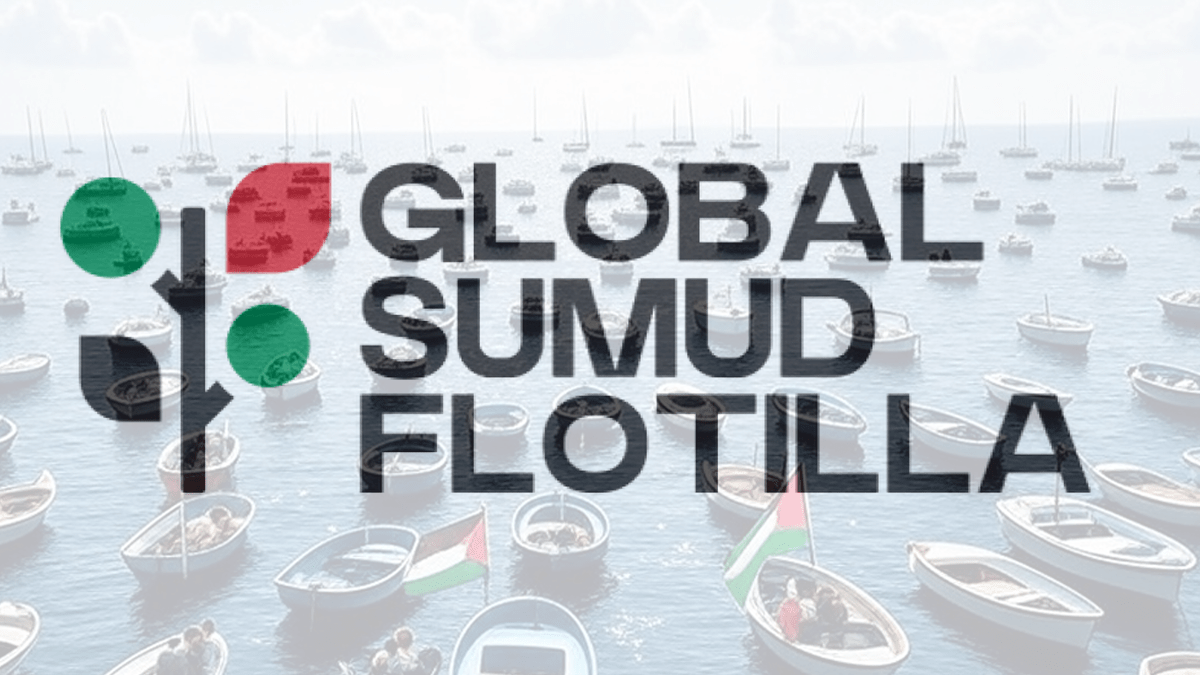
why this flotilla matters
People around the globe watch because the Samud (often spelled Sumud) Flotilla isn’t a regular charity run; it’s a coordinated civilian sea movement with political, humanitarian and legal flashpoints. Its organizers say the aim is to challenge what they describe as an illegal blockade and to deliver aid and a people-led corridor to Gaza. That combination of activism, humanitarian claims and international law makes every move the flotilla makes a headline and a test of how maritime protest works in practice.
What’s the name and who started it
“Samud” is commonly a transliteration variation of the Arabic Sumud, a word meaning steadfastness, and that meaning shapes the flotilla’s identity as a persistence-based movement. The project emerged from multiple grassroots coalitions and longstanding flotilla networks that have coordinated earlier sea attempts to reach Gaza. In short, it is a coalition, not one NGO: a patchwork of activist groups, humanitarian volunteers, artists and political figures who pooled boats and resources.
How big was the operation (scale & routes)
Organizers reported dozens of vessels and hundreds of registered participants sailing from ports across the Mediterranean, including convoys from Italy, Spain, Greece and North Africa converging toward Gaza. Routes were staggered Genoa, Barcelona, Catania, Syros and Tunis among others with the idea of moving smaller convoys that would merge into a larger flotilla. That scale made it one of the largest civilian-led maritime convoys in recent history, which is why navies and governments paid close attention.
Who joined activists, public figures and specialists
The flotilla combined seasoned maritime activists, doctors, rescue NGOs and well-known public figures invited to lend visibility and protection through high-profile presence. Media reported that environmental and human-rights personalities including some internationally recognized campaigners were attached to specific convoys as symbolic participants. This mix is strategic: activists provide logistics and local knowledge, while public names help pressure states and attract international scrutiny.
What were they carrying aid or symbols?
Not every boat was a cargo ship; many carried humanitarian kits, medical supplies and smaller loads meant for distribution, while others carried symbolic items or activist gear for visibility. Organizers emphasized the dual goal: practical aid for civilians and a political statement meant to reopen a people-to-people corridor. Because many cargos were modest, the flotilla’s impact depended as much on attention and diplomatic pressure as on pounds of food or medicine.
The legal and political backdrop in brief
Maritime law, national security claims, and blockades create a legally complex arena states can cite security grounds while activists cite humanitarian and international-law precedents. Historically, attempts to break sieges by sea have led to high-stakes confrontations and legal debate over the lawfulness of intercepting civilian vessels on the high seas. In short, the flotilla operates where legal, moral and political claims collide, and outcomes hinge on diplomatic pressure and rules of engagement.
Weather, mechanics and the practical problems at sea
Even before any navy intercept, small civilian convoys face storms, mechanical failures and seasickness; several Mediterranean departures reported weather delays and technical stops. Organizing small craft across open water is logistically demanding: fuel, spare parts, satellite comms and medical backup are constant concerns. These practical hiccups can shape timelines more than politics a reminder that activism at sea needs old-school seamanship as much as social media.
Encounters at sea drones, warships and tension
Participants quickly reported being followed by unidentified drones and encountering naval vessels as they approached contested waters, raising fears and tensions aboard small boats. Such encounters are risky: small craft are vulnerable to aggressive manoeuvres or rules-of-engagement decisions by military forces. The presence of drones and warships turned what began as a humanitarian gesture into a tense, real-time test of restraint on multiple sides.
Interceptions and the international reaction
Several ports and nations publicly warned participants, while others offered consular help; nonetheless, naval intercepts were reported as ships neared Gaza’s approaches. International reactions ranged widely some officials warned of legal consequences, while human-rights advocates and some national leaders condemned aggressive interceptions and called for protection of civilians and aid. The diplomatic fallout after intercept actions often becomes as consequential as the interception itself.
Claims of mistreatment and detention after intercepts
Following intercepted vessels, activists deported from interception zones publicly alleged mistreatment during detention and processing, a claim that sparked further international scrutiny and protests. Reports described harsh treatment and sparked complaints to consular representatives and human-rights monitors. Those allegations complicate any narrative that the situation was handled under clean legal procedures and fuel calls for independent investigations.
Media narratives and polarization
The flotilla’s coverage was starkly polarized: some outlets framed participants as humanitarian heroes, while others emphasised national-security risks or alleged links to extremist groups. This split matters because public opinion shapes political reactions and can influence whether states escalate or de-escalate. For readers, it’s crucial to separate first-hand participant testimonies from state statements and from editorial framing.
Why activists choose sea convoys (strategy explained)
Sea convoys force a visible, symbolic confrontation that draws attention to blockades and humanitarian bottlenecks in a way that land convoys sometimes cannot. The sea is open, dramatic, and hard to ignore small boats carrying international crews and public figures create images that travel fast. Strategically, activists trade physical risk for amplified media and diplomatic leverage.
Risks for civilians and journalists a sobering note
Civilians, volunteers and independent journalists joining flotillas accept real personal risk: harsh weather, potential military action, arrest or deportation. That doesn’t mean efforts aren’t noble, but potential helpers should weigh security plans, evacuation routes and legal counsel before boarding. Responsible solidarity includes ground-based support, legal teams and clear contingency plans.
What to watch next short checklist for readers
Look for official naval statements, confirmed interception reports, independent eyewitness videos, and statements from recognized humanitarian NGOs those items reliably move a story forward. Also track consular notes for detained nationals and reputable media outlets that publish on-the-ground confirmations. Finally, watch for international investigative calls if allegations of mistreatment persist.
How this affects aid strategies going forward
If sea attempts continue to face interdiction, humanitarian actors might shift to alternative corridors, barges under naval escort, or intensified diplomacy for safe land/sea passages. The flotilla highlights how fragile access can be and how aid logistics increasingly need political solutions, not just more boats. Longer-term, NGOs and states may have to negotiate maritime protocols to prevent humanitarian stalemates.
The big-picture takeaway for everyday readers
Samud/Sumud Flotilla isn’t simply a headline stunt; it’s a vivid example of how civilians try to reshape geopolitics and humanitarian access at sea. Whether you view the action as courageous or risky depends on which values you prioritise immediate aid delivery, adherence to national security claims, or the rule of law at sea. Either way, the flotilla shows how modern protest blends boots-on-deck activism with big-picture diplomacy.
Practical ways to stay informed or get involved safely
If you want to follow developments, rely on reputable international outlets and primary statements from NGOs and consular channels; avoid single-source social posts as facts. For those who want to help, consider donating to vetted humanitarian organizations, supporting legal aid funds for detained activists, or amplifying verified reporting rather than joining risky sea missions without training. That approach balances solidarity with responsibility.
why it matters for the long run
The Samud Flotilla episode underscores a tense truth: when diplomacy and aid logistics fail, civil society will keep testing boundaries to make suffering visible. Those tests provoke political answers, policy changes, and sometimes dangerous responses but they also keep humanitarian access and accountability on international agendas. In a world where images travel instantly, small boats can still make big waves.