
 By Elena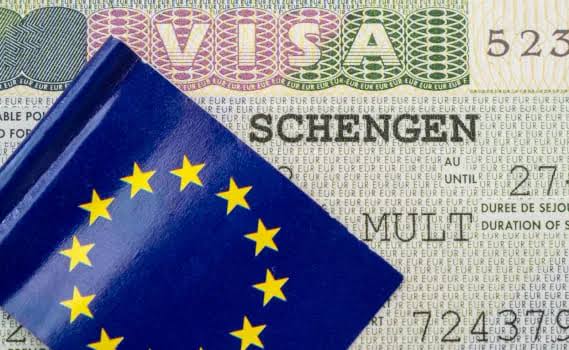
What exactly is a Schengen visa and why it matters
Think of a Schengen visa as a key that opens most of continental Europe for short stays up to 90 days in any 180-day period without separate visas for each country. It covers tourism, family visits and short business trips and usually lets you travel freely inside the Schengen area once admitted. This 90/180 rule is the backbone of short-stay travel in Europe and something every applicant must respect.
Which countries accept one Schengen visa
The Schengen Area groups most EU countries plus a few non-EU states, so a single visa normally works across them all. Countries regularly included are Germany, France, Spain, Italy, the Netherlands, Sweden, Norway, Switzerland and others in total the area is the large zone you picture when thinking “Europe without border checks.” Always check the exact list before you plan the first arrival point, because travel rules depend on which country you enter first.
Types of Schengen visas pick the right one
Most people need a short-stay C visa (tourist, business, family). There are also airport transit visas and national long-stay visas (type D) for work, study or family reunification. In short: choose C for holidays and short visits, D for long stays, and transit if you’re changing flights inside the international zone. Pick the correct type wrong choice equals wasted money and heartache.
Recent fee changes you must know
Heads up: the standard short-stay Schengen visa fee increased in June 2024, so adult applicants now pay the updated amount when submitting. Children between 6 and 11 also have a set reduced fee, while many categories remain exempt (students on certain missions, family of EU citizens, etc.). Always budget the updated fee into your travel costs before booking flights or expensive refundable reservations.
Documents checklist that actually gets you noticed
At minimum you’ll need: a passport valid for at least three months after planned exit, completed application form, recent photo, travel medical insurance with Schengen coverage, proof of accommodation, round-trip itinerary and proof of funds. Also include a clear cover letter explaining purpose and travel plan, and recent payslips or bank statements. Organize these in a neat file consulate officers appreciate tidy, obvious proof.
How to book the embassy appointment like a pro
Don’t wait for the last minute. Check the embassy/consulate or visa-centre site in your country for appointment windows and book early, especially in summer and December. Use the official appointment system or the authorised VFS/TLS partner where applicable. If slots are full, check for cancellations or authorised local agents who can monitor new openings for you.
Visa interview: what to say (and what not to say)
Be honest, confident and concise. State your travel dates, where you’ll stay, who’s paying and why you’ll return home. Avoid rehearsed long stories or vague career details; short, specific answers win. Bring original documents for everything you claim employers, property proofs and return tickets help your case.
Common reasons for refusal avoid these traps
Overstaying previous visas, insufficient funds, unclear travel purpose, fake or inconsistent documents, and lack of travel insurance are top refusal triggers. Also be careful with travel histories: long gaps or too many short trips to multiple countries without clear reasons can raise flags. Fix these weak points before you apply to keep chances high.
Processing times and when to apply
Processing can take anywhere from a few days to several weeks depending on season, nationality and embassy workload. Apply at least 15 calendar days before travel, but better yet aim for 4–6 weeks early if you can. If you’re on a tight schedule, mention this at booking and provide supporting evidence though the consulate is not obliged to speed up.
New border tech and what it means for you
From mid-October 2025 the EU started rolling out a digital Entry/Exit System (EES) that registers biometric data (photo + fingerprints) during entry and exit at many external borders. This replaces passport stamping in places gradually, so expect a short biometric check on first entry and quicker automated checks later. It’s designed to reduce overstay fraud, so having correct travel dates and valid visa matters more than ever.
ETIAS and visa-exempt travellers a quick note
If you’re from a country that currently doesn’t need a Schengen visa, be aware the EU plans a travel-authorisation system (ETIAS) for visa-exempt visitors in the coming years. This won’t replace visas but will add a simple pre-travel check for many travellers, so monitor official updates if you travel visa-free.
Smart money tips booking without risking your visa
Book refundable flights or hold reservations until you get the visa. Don’t prepay non-refundable tour packages unless you’re sure. Use a credit card proof of payment where possible to show intent and financial capability. Small practical moves like this save big stress later.
If your visa is refused calm steps to take
First, carefully read the refusal letter; it usually lists reasons. You have two main options: appeal the refusal (follow the consulate’s process and deadlines) or reapply after fixing the cause. When reapplying, include a short, respectful cover letter explaining how you addressed the earlier problems and add any missing documents.
Travelling inside Schengen rules to follow
Remember the 90/180 day rule: count backwards from each day you’re inside the zone to check eligibility. Keep your travel insurance and passport handy; border checks can still happen unexpectedly. Also, different Schengen members occasionally reintroduce temporary internal checks for security reasons stay updated on national alerts before travel.
Extra tips that feel like insider moves
If possible, apply through the embassy of the country where you’ll spend most days, or where your first entry is planned. Add a short travel itinerary page with dates and addresses to make an officer’s job easy. Finally, keep photocopies of everything and scan documents to an email you can access while travelling.
hecklist before you walk into the visa centre
Passport (plus copies), application form, photos, insurance, hotel bookings, flight reservation, bank statements, employer/leave letter and any invitation letters must be present and tidy. Bring originals and one neat folder with photocopies in the same order you mention them in your cover letter. Show up early, polite, and organized it changes how your file gets read.
Travel smart, not stressed
Getting a Schengen visa is a process, not a puzzle. With correct documents, clear travel plans, the updated fee in mind, and awareness of new border tech, your chances of smooth approval improve dramatically. Pack patience as well as your suitcase smart preparation is the real travel hack.