
 By Elena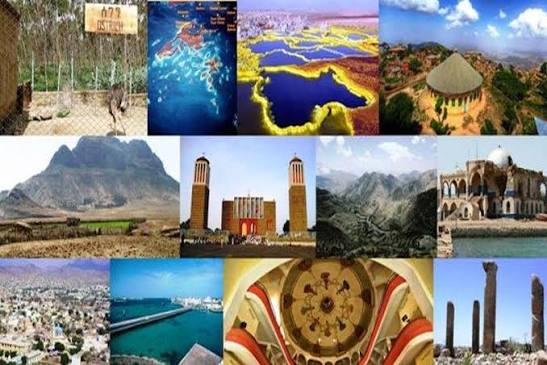
Welcome why Eritrea should be on your radar
Eritrea is a travel gem that still surprises curious travelers with intact modernist cities, Red Sea islands, and lively local markets. It’s compact yet varied, so you can go from art-deco cafes to coral reefs in a matter of hours. Visit with an open mind and you’ll leave with stories nobody else has.
Wander Asmara’s modernist streets (UNESCO vibes)
Start in Asmara, a living museum of Italian modernist architecture that earned UNESCO recognition for its urban planning and buildings. Walk Martyrs’ Avenue, peer into old cinemas like Cinema Impero, and let the city’s 1930s–50s aesthetic sink in. Save time just to sit in a café and watch local life — it’s part of the charm.
Snap the art-deco icons (cinemas & theatres)
Asmara’s old cinemas Impero, Roma and others are postcards come to life with bold facades and vintage neon. Photography fans will adore the geometric lines, while architecture buffs can study rationalist design at every corner. Try early morning light for the best photos and fewer people.
Sip coffee the Eritrean way
Eritrean coffee rituals are intimate: roasted beans, cardamom or a light spice, and slow conversation. Find a small coffee house in Asmara, order a cup, and enjoy the unhurried pace. This is one of the easiest ways to connect with everyday culture.
Explore the National Museum and local history
The National Museum in Asmara offers a concise, human window into the country’s past from ancient artifacts to colonial stories. It’s a compact stop that helps contextualize what you’ll see elsewhere. Spend an hour here before heading out.
Drive to Keren for markets and mountain scenery
A trip to Keren rewards you with cool highland air, colorful markets, and a more traditional pace of life. The Keren camel market especially lively on market days is a riot of color, trade and local interaction you won’t forget. Plan your visit to coincide with market day if you want that energetic scene.
Visit Keren’s war cemeteries and colonial remnants
Keren’s landscape is dotted with Italian and British-era cemeteries that tell military and colonial stories at quiet scale. They’re peaceful, photogenic spots for reflection and history fans. Pair them with a market visit for contrast.
Get lost in Massawa’s old town alleys
Massawa’s Old Town is built of coral stone and threaded with Ottoman-era alleys and wooden balconies. Walking through feels like stepping into a centuries-old port town where sea breezes carry history and spice scents. Allow time to wander without rushing every corner has a story.
Watch sunsets on the Red Sea waterfront
Massawa’s waterfront is a classic spot for sunset; boats, fishermen and a cooling breeze make it unforgettable. Bring a light jacket for the evening and enjoy simple seafood or street snacks. It’s a mellow, photogenic way to end a day.
Jump to the Dahlak Archipelago snorkeling heaven
From Massawa, boat trips take you to the Dahlak Islands, an archipelago with clear waters, vibrant reefs and easy snorkeling spots. Whether you go for a day trip or overnight camping, the marine life and calm beaches are the real highlight. Book with a local operator that provides gear and basic camping if you plan to stay on an inhabited islet.
Scuba, snorkel, or relax on coral beaches
The Dahlaks are ideal for both beginners and experienced divers expect colorful reefs, shoals of fish, and occasional wrecks. Even if you don’t dive, snorkeling from a boat or shore gives you a front-row seat to marine life. Bring reef-safe sunscreen, a hat, and a sense of adventure.
Try local seafood fresh and simple
Coastal towns serve fish the way they should be: simply grilled, well-seasoned and served with flatbread or rice. Eating local seafood in Massawa or on Dahlak islands is not just tasty; it’s a cultural experience. Don’t be shy to ask what’s freshest that morning.
Take a guided cultural and heritage tour
A local guide will transform casual wandering into meaningful stories, from colonial architecture in Asmara to trade tales in Massawa. Guides can also help with logistics transport, permits, and safe boat operators. Hiring a guide supports local communities and deepens your trip.
Explore rural villages and traditional tukuls
Outside the main cities, you’ll find tukul villages where life is calm and traditions stay strong. These rural stops are perfect for observing daily routines, handicrafts, and genuine hospitality. Always ask before photographing people and offer a smile first.
Day trip ideas mixing nature and culture
Short trips can include the Green Belt rainforest, cooler highlands, or a cultural stop in local markets all doable from Asmara with a morning start. Each micro-region shows a different climate, food style, and rhythm of life. Pack layers: Eritrea’s elevation changes can make weather shift quickly.
- Insider tip timing and festivals
Travel outside the hottest months if you can; the highlands are pleasant most of the year while the coast is hotter and more humid. If your travel dates line up with local festivals or market days, you’ll get richer cultural exposure. Always check local calendars with your guide.
Safety, permits and practicalities
Eritrea’s border and visa rules are specific many visitors need visas arranged in advance and sometimes travel permits for certain regions. Check current entry rules and work with a reputable operator or embassy resources to avoid surprises. Planning ahead saves stress.
6Transport realities roads and domestic flights
Road quality varies: highland routes are generally fine while some coastal and rural roads are rough. Domestic travel often relies on shared minibuses, private hires, or occasional domestic flights, so consider timing and comfort when booking transfers. Flexibility is the traveler’s friend here.
Photography dos and don’ts
Eritreans are generally welcoming but ask permission before photographing people, especially in rural or religious settings. Buildings, landscapes and street scenes are great subjects; keep interactions positive and respectful. A few smiles go a long way.
Where to stay from boutique in Asmara to rustic on Dahlaks
Asmara has the most comfortable hotels with characterful lobbies and local cuisine, while the Dahlaks are basic think tents or simple guesthouses. Embrace the contrast: urban comforts and raw island simplicity. Book Asmara stays early if you travel in peak season.
Responsible travel respect culture and environment
Respect local dress norms and religious customs, especially in highland and rural communities. When snorkeling, avoid touching corals and use reef-safe sunscreen to protect fragile ecosystems. Small choices make lasting differences.
Packing checklist (smart & simple)
Bring sturdy walking shoes, sun protection, a lightweight jacket for evenings, insect repellent, and any essential meds. If you snorkel, a personal mask can be handy though operators usually provide gear. Keep copies of important documents and a small first-aid kit.
Money matters and tipping
Cash is king in many places; ATMs are limited outside Asmara and Massawa. Bring enough local currency or arrange cash access ahead of time. Tipping is appreciated for guides and crew, especially on private trips.
Final thought travel slow, learn fast
Eritrea rewards travelers who slow down, listen, and ask questions. Whether you’re photographing Asmara’s facades, sipping coffee in a local cafe, or snorkeling the Dahlaks, the country offers rich rewards for patient explorers. Go curious and come back with stories few can tell.