
 By Elena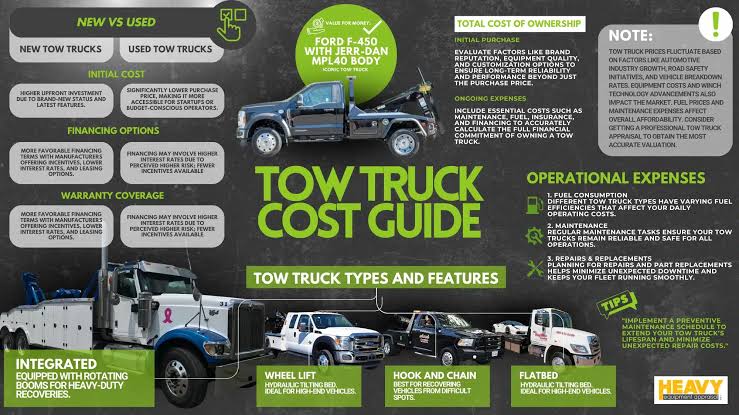
Let’s be real—car troubles never come at the right time.
One minute you’re cruising, the next, you’re stuck on the shoulder scrolling your phone, muttering “tow truck near me.”
If it’s a dead battery, a blown tire, or your ride just gave up on life, knowing how to deal with a towing situation can save you time, money, and a whole lot of stress.
- How Much Does a Local Tow Cost?
- What to Say When You Call a Tow Truck?
- How Do You Calculate Towing Rate?
- What Is Another Name for a Tow Truck?
- Tow Truck Near Me
So let’s break down everything you actually need to know about local towing services, from pricing to what to say when calling, and even a little lingo lesson for good measure.
How Much Does a Local Tow Cost?
Here’s the deal—towing isn’t free, and it’s definitely not a one-size-fits-all service.
Most local towing companies charge a base rate that ranges from $75 to $125, depending on your location, vehicle type, and time of day.
Now throw in the per-mile fee. This typically runs between $2.50 to $7 per mile.
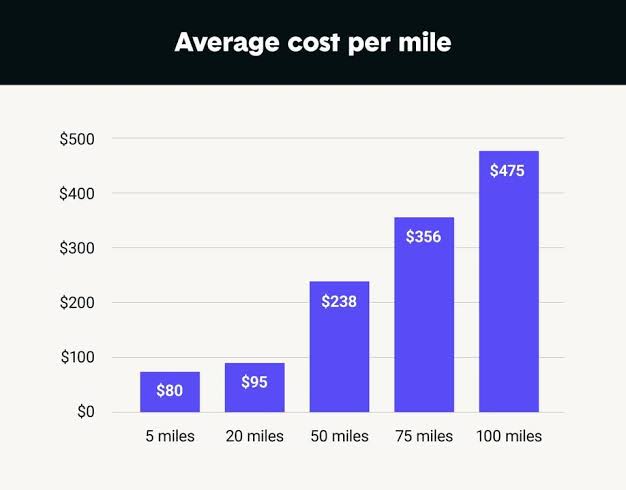
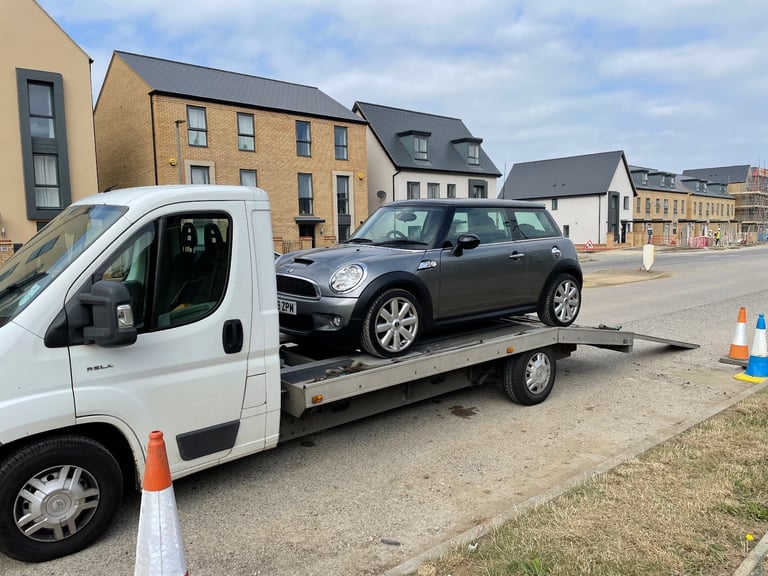
Yup, that adds up fast if you’re far from a repair shop or your driveway.
Got stuck at 2 AM? Expect after-hours surcharges. Weekends, holidays, and nighttime breakdowns may push the cost up.
And if your car needs special handling, like a flatbed or winch-out, tack on another $50 or more.
So yes, that “tow truck near me” search may cost you more than you think—but knowing what you’re getting into helps avoid sticker shock.
What to Say When You Call a Tow Truck?
Let’s not fumble this. When calling a tow truck, you want to sound calm and clear. The dispatcher isn’t a mind-reader—they need specific info to get help to you fast.
Start with your exact location. Use a landmark or GPS if needed. Don’t just say “near the gas station.”
Next, describe your vehicle—make, model, color, and license plate. That way, the driver knows who to look for.
Then explain what’s wrong. Say whether it’s a flat tire, engine trouble, dead battery, or an accident.
This helps them decide what type of truck or tools to send.
And don’t forget to ask about ETA and cost estimate. You want to know how long the wait is and what you’re being charged upfront.
No one likes surprise fees when they’re already having a rough day.
How Do You Calculate Towing Rate?
There’s a simple formula most companies follow: Base fee + (Per-mile rate x Distance traveled).
But like everything, there are hidden layers.
Let’s say the base fee is $100, and you need to be towed 10 miles. If the per-mile rate is $5, you’re looking at $100 + (10 x $5) = $150.
But wait—your location matters. Urban areas with traffic congestion? Higher base fees. Towing a truck instead of a compact car?
- That’s an upgrade. Is your vehicle stuck in mud or a ditch? That’ll need winching, which can add $50 to $150 depending on how stuck you are.
Some companies charge hook-up fees if they’re dealing with tight spaces or long hauls from parking garages.
Always ask what’s included and what’s extra so you’re not blindsided when you see the bill.
What Is Another Name for a Tow Truck?
You might hear tow trucks called a few different names, and they’re not just cute nicknames.
Each name usually hints at the type of towing service.
The most common one is a wrecker—especially when the truck is hauling away a vehicle after an accident.
Then there’s the flatbed, which carries your car on a platform, perfect for luxury or all-wheel-drive cars.
Wheel-lift trucks are also pretty common. They lift the front or rear wheels off the ground, a quicker method for short-distance towing.
And then you’ve got the boom trucks, which use a hydraulic arm to pull vehicles out of tough spots like ditches or uneven terrain.
So if you hear a dispatcher say they’re sending a “flatbed” or a “wheel-lift,” now you know exactly what’s pulling up to rescue your ride.
Tow Truck Near Me
Now for the part you probably searched for—how to find a reliable tow truck near you.
The key here is speed, pricing transparency, and good customer service. Not all tow trucks are equal, so a little vetting goes a long way.
Start by checking local directories or towing apps—yes, there are apps for this now. Look for services with 24/7 availability and real customer reviews.
If they have a clear pricing structure and friendly dispatchers, you’re on the right track.
Also, ask your insurance or roadside assistance provider—they often have deals with trusted local towing companies.
This can reduce your out-of-pocket costs or even make the tow free.
And here’s a pro tip: Save a reputable tow company’s number in your phone before disaster strikes.
When your battery’s dead or your car’s smoking, the last thing you want to do is scroll through 30 sketchy Google listings.
Incase you’re stuck in the middle of nowhere or your car just ghosted you in a parking lot, knowing how to handle a towing situation gives you the upper hand.
From calculating rates to saying the right thing on the phone, you’re now more prepared than 90% of drivers out there.
So next time you find yourself stranded, remember—it’s not just about yelling “tow truck near me.” It’s about knowing what comes next and how to stay in control.