
 By Elena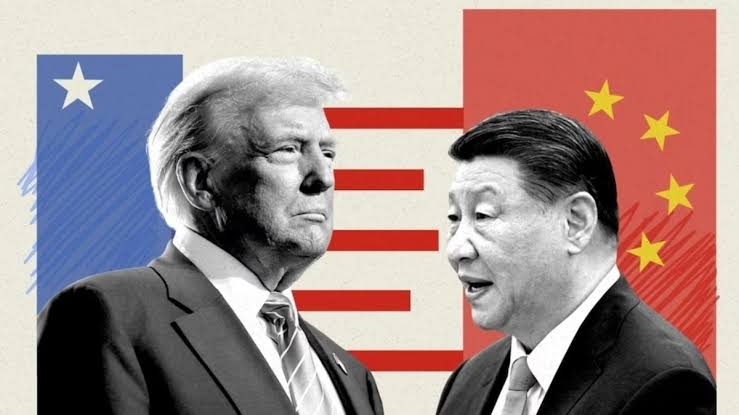
Why this month’s US–China headlines actually matter to you
If you think U.S.–China stories are just for pundits, think again. Recent moves on trade, rare earths, shipping and politics are already rippling into prices, gadget availability, and even where companies choose to build things. Read on this is the short, sharp guide to what’s new, why it matters, and what you can do next.
What happened: China tightened export rules on key materials
Beijing announced sweeping export controls on rare earths, battery materials and related technology in early October. The rules widen what needs licences and even reach some goods made outside China if they use Chinese tech or minerals. That’s a big lever rare earths underpin EV motors, chips, and defence gear.
What happened: the U.S. tightened export enforcement too
Washington has been updating export controls and the “affiliates” rule to widen the scope of companies subject to restrictions. That means firms worldwide face more scrutiny when selling advanced chips, equipment, or cloud services tied to sensitive tech. In short: both capitals are tightening the choke points.
Shipping chaos: new fees are reshaping routes and costs
Both sides recently applied port-related levies and fees that took effect mid-October. Carriers are re-routing ships to avoid costlier stops, shrinking capacity on key transpacific lanes. The knock-on effect is higher freight rates and slower deliveries for imports between the U.S. and China. That’s already nudging prices for shoppers and squeezing companies that rely on just-in-time supply chains.
Diplomacy isn’t dead talks are back on
Despite aggressive policy moves, both governments agreed to hold fresh trade talks next week after a constructive video call between senior envoys. That diplomatic channel matters: negotiations reduce the odds of a full tariff war and can roll back some measures if both sides see mutual pain. Still, talk ≠ fix progress depends on concrete steps, not just phone calls.
Geopolitics: Taiwan and regional politics are reshaping risk
Politics in the Taiwan Strait remain a backdrop. Recent regional developments including a change in Taiwan’s opposition leadership increase the uncertainty around cross-strait policy and defense spending. Markets and policymakers watch these signals because any military or political flare-up would rapidly change trade, investment, and insurance calculations across Asia.
Global economy watchers are worried and that’s a warning sign
At the IMF and World Bank meetings, officials flagged U.S.–China frictions as a real downside risk for global growth. Economists worry that prolonged trade barriers or supply restrictions could dent investment and raise consumer prices worldwide. In short: the economic safety net is thinner if great-power tensions deepen.
Tech lifelines: chips, batteries, and the supply-chain scramble
Semiconductor makers, battery producers, and EV firms are watching export rules and controls like hawks. If rare-earth or advanced chip flows are limited, companies must redesign products or secure alternative suppliers — both expensive and slow. Expect tech firms to accelerate diversification plans and for component lead times to stretch.
What this means for prices short term and medium term
In the short term, shipping rate spikes and constrained components push prices up for goods from electronics to cars. Over the medium term, companies may invest in regional manufacturing, which can raise production costs but lower geopolitical risk. Consumers might pay a premium for resilience; businesses pay now or later through disrupted supply.
Knock-on effects for investors and markets
Markets hate uncertainty, and policy whiplash from both Washington and Beijing feeds that. Stocks in supply-chain-sensitive sectors can swing quickly, while defense, mining (rare earths), and logistics firms may see fresh interest. Investors should weigh policy timelines, not just headlines, and expect volatility until clear deals or rules land.
How businesses are likely to respond
Companies will accelerate contingency plans: dual-sourcing, moving capacity to nearby countries, and stockpiling critical parts. Smaller firms with thin margins face tougher choices: absorb costs, pass them to customers, or pause growth. Practical takeaway review contracts, ask suppliers about origin rules, and consider short-term inventory increases.
What governments are trying to avoid (and why)
Both capitals want to look tough on strategic dependence but also fear the economic fallout of total decoupling. That tension explains simultaneous pressure and dialogue: punitive steps signal resolve while talks keep a door open for compromise. The balancing act will shape whether we end up with targeted controls or broader, long-lasting decoupling.
Everyday impact: what consumers should watch this quarter
Expect longer delivery times for big-ticket electronics, possible price upticks on imported goods, and sporadic stock shortages for specialty components. If you’re buying a car, phone, or major appliance, check lead times and warranties; for online sellers, communicate delays early. Small changes now prevent nasty surprises later. (No new citation practical advice.)
What savvy buyers and small businesses can do now
First, accept that short delays are possible; plan purchases if timing matters. Second, diversify suppliers where feasible and secure firm commitments for critical parts. Third, price-check and build small buffer stock for high-risk items. These simple moves cut risk without massive cost. (Practical checklist no citation needed.)
Policy-watch: key dates and signals to track
Watch for the outcome of next week’s trade talks, any formal tariff announcements, changes to export lists, and rule implementation dates for China’s export controls. Also monitor shipping indexes and major carrier advisories for route changes or surcharges. Those signals will tell you whether tensions are calming or escalating.
A quick reading list (what journalists and analysts are tracking)
Experts focus on export-list updates, the “affiliates rule” application, rare-earth license processes, port fee developments, and political shifts in Taipei. These items tend to produce tangible effects faster than grand speeches, so track them for real-time risk assessment. (Summary based on earlier cited reporting.)
Long view: resilience beats reliance
No single headline decides the rivalry’s future. But the trend is clear: both states are weaponizing trade tools to protect strategic industries. Over time, firms and countries that invest in resilient supply chains and flexible production will face fewer shocks. That’s a longevity play for investors and businesses alike.
Bottom line: immediate caution, steady preparation
The drama feels fast, but the smart move is steady preparation. Expect short-term price and delivery pain, watch diplomatic signals, and make modest operational shifts to reduce exposure. In other words: don’t panic, but don’t ignore the facts either. (Concluding practical advice.)