
 By Elena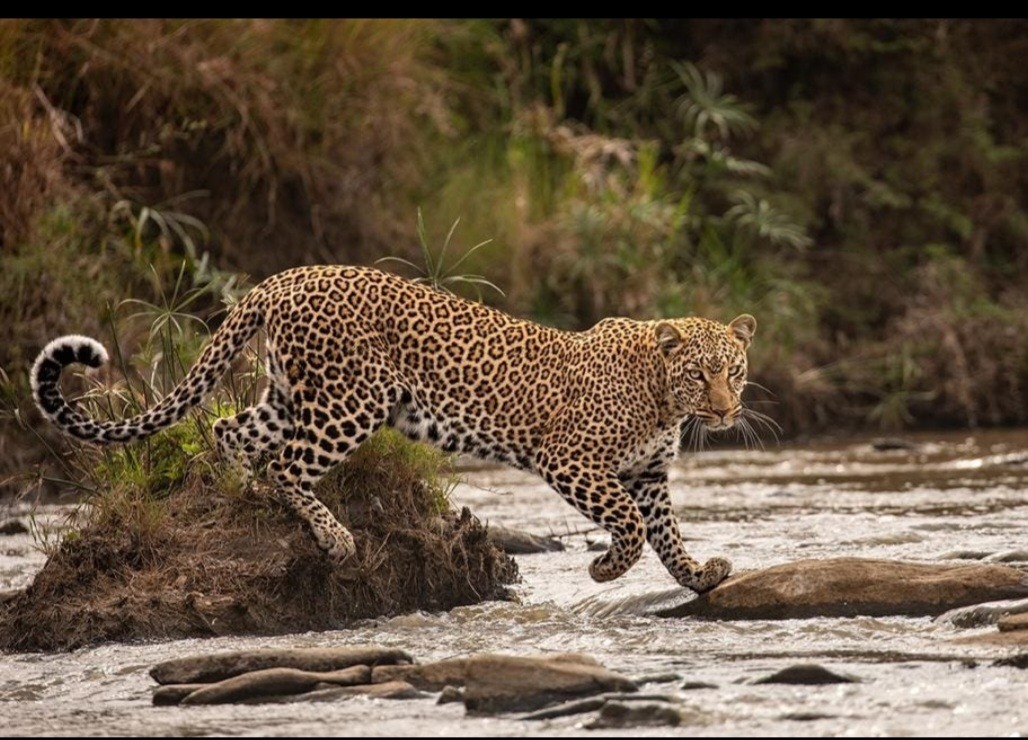
Why Wild Animal Photos Move Us Deeply
Wild animal photography isn’t just pretty pictures it’s storytelling. Through these images, we feel the heart-pounding thrill of the chase, the quiet beauty of curiosity, and the fragility of nature’s balance.
Moreover, they bridge the gap between humans and wildlife. Suddenly, far-off lions, puffins, or snow leopards feel real and emotionally close.
The Iconic “Catch of the Day” Moment
One of the most legendary wildlife photos ever taken shows a salmon mid-air, heading straight into a bear’s mouth. The timing is so flawless, it paused time creating a classic sense of suspense and drama.
This image still inspires photographers to chase that perfect split-second moment of action and emotion in nature.
Natural Behavior Not Posed Scenes
The healthiest wild animal photos show real behavior not staged scenes. Whether a mother jaguars grooming cubs in rainy Sonora or puffins arguing over food, candid moments reveal raw animal personality.
Animal behavior captured this way brings us closer to understanding them not just admiring their looks.
Golden Hours: Nature’s Best Light Show
Wildlife photos look stunning around sunrise or sunset. This magical light gives fur and water soft glows, adds dimension, and turns everyday scenes into cinematic masterpieces.
Professionals often chase these golden hours and it pays off in breathtaking detail.
Gear That Makes the Magic
Wildlife photography requires serious kit. Most pros swear by cameras like the Nikon Z9 or OM System OM-1. These beasts offer fast autofocus, extreme burst speeds, and great low-light performance.
Pair them with telephoto lenses (like 300–600 mm) to photograph animals from a safe distance without disturbing their vibe.
Patience Is the Real Hero Here
Seeing animals at their best takes time. Whether snapping a prowling leopard at dawn or waiting for a puffin to yawn, patience is key.
Often, the best shots follow hours or even days of waiting quietly and watching.
Backgrounds Make or Break It
Even the most majestic animal can vanish into distraction with a cluttered background. Blurred foliage or empty sky helps subjects stand out.
It’s why pros scout locations for clean, simple backdrops before raising their camera.
Focus on the Eyes to Bridge Worlds
A wild animal’s eyes hold stories. If their eyes are sharp, the picture draws you in and conveys emotions from curiosity to cautious calm.
That’s why photographers obsess over eye-focus it’s the heart of the connection in every shot.
Composition Adds Storytelling Power
Using techniques like the rule of thirds and framing adds depth and intent to wildlife images. A lion in the corner of the frame or a bird flying into open space can make all the difference.
These creative decisions help photos feel crafted, not accidental.
Show the Habitat Don’t Just Zoom In
Environmental context adds meaning. A tiger in tall grass, a bear near a waterfall, or penguins on ice these tell complete stories about survival.
Landscape, scale, and animal interaction create deeper connection than close-ups alone.
Candid Comedy: Wild Moments That Tickled the Internet
Images capturing humor like a bear appearing to drive or puffins stealing light show nature’s unexpected fun side. Viral photos from Comedy Wildlife Awards remind us animals aren’t just fierce; they’re funny.
Unexpected expression makes us laugh and care more about conservation.
Conservation Through Cameras in Mexico
Motion-sensing cameras in Sonora, Mexico don’t just capture jaguars they save them. Ranchers earn from photos, boosting tolerance and protecting habitat.
Wildlife photography here is activism, not just art. One stunning image can change a life.
Remembering Legendary Subjects: Machli & Ndakasi
Famous animal stars like Machli, the Ranthambore tigress, and Ndakasi, the photobombing gorilla, show the power of photography in conservation. Machli brought tourists and awareness; Ndakasi broke hearts and supported orphaned gorilla care.
These animals became icons, teaching us that photos shape real-world change.
Historic Roots of Camera-Trap Pioneers
Long before Insta filters, people like Frederick Walter Champion pioneered camera-trap photography in the 1920s. He used tripwires in India to capture wild tigers, leading to modern wildlife discipline.
Today’s images follow a long legacy of innovation and wildlife storytelling.
Modern Tech: Remote & Invisible Cameras
The latest wildlife photos come from discreet cams like BeetleCam or motion-triggered traps. These devices get up close without human intrusion—even capturing nighttime hunting scenes.
Ethical technology means no baiting or disturbing wildlife just honest observation.
Awards That Showcase Planet’s Wild Beauty
Competitions like Sony World and National Geographic Wildlife highlight powerful creativity. This year, winners include a puffin dancing in raindrops and a stoat in soft snow showing wildlife’s quiet majesty.
These contests push photographers toward excellence in emotion and craft.
Travel Spots That Deliver Epic Shots
Locations like South Luangwa (Zambia) and Svalbard (Norway) are wildlife hotspots in 2025. Zambia offers game-walking safaris with leopards; Svalbard delivers polar bear and Arctic fox portraits.
Guided trips here often pair expert instruction with jaw-dropping natural encounters.
How You Can Start Local Wildlife Counts
You don’t need to go global. Backyard birds, squirrels, or neighborhood foxes can be photo study subjects. Local familiarity lets you learn behavior, light conditions, and gear handling close to home.
Start small and grow the skills scale up fast.
Ethical Code: Leave No Trace
Ethical wildlife photography isn’t optionalit’s essential. Never bait, flush, or stress animals for a shot. Keep distance, time limits, and respect.
A powerful photo shouldn’t come at the cost of animal welfare.
Editing: Enhancing Mood, Not Manipulating Reality
Post-processing matters, but only subtly. Light tweaks, contrast adjustments, or minor cropping help images shine without lying.
Good editing highlights nature’s beauty—but never falsifies it.
What Makes a Photo Truly Powerful?
A strong wildlife image evokes emotion—fear, joy, sadness, wonder. It’s not just clear or dramatic; it tells a story. That’s why award-winning images stay in memory and inspire conservation.
Great wildlife photographers do more than shoot—they provoke feeling.
A Roar of Reflection :Takeaways for Awesome Wildlife Photography
Gear smart: Telescopic camera + fast autofocus = wildlife-readiness.
Scout & wait: Ideal light + behavior + patience = magic shot.
Shoot ethically: Respect habitat, animals, and guidelines.
Frame creatively: Eyes sharp, backgrounds elemental, story central.
Edit honestly: Let authenticity and minimal editing shine.
Start small, aim high and let every photo tell a story worth protecting.
Capturing wild animal photos is more than a hobby it’s a tool for empathy, awareness, and conservation. Each tick of the shutter can protect a species, spotlight beauty, or shift public hearts. Go ahead get out there, blend in, stay patient, and let nature gift you moments of pure visual wonder.